
A Cost, Risk, and ROI Comparison for Working Professionals
For adult learners, choosing how to study is often harder than choosing what to study.
Many professionals narrow their options down to two realistic paths:
- An online degree
- A part-time, on-campus degree
Both allow you to keep working. Both offer recognized credentials.
But the cost structure, risk exposure, and long-term ROI are very different.
This guide compares online degrees vs part-time on-campus degrees from a practical, adult-learner perspective, using higher education data and workforce research to help you choose the option that makes the most sense in 2026.
What Is an Online Degree?

An online degree is delivered fully or primarily online by an accredited institution. Programs are typically designed for working adults and emphasize flexibility.
According to the National Center for Education Statistics (NCES), online enrollment growth among adults has been driven largely by professionals balancing work, family, and education.
Typical features:
- Asynchronous coursework
- Location independence
- Predictable scheduling
- Lower indirect costs
What Is a Part-Time On-Campus Degree?

A part-time on-campus degree requires physical attendance, usually during evenings or weekends.
While academically similar to full-time programs, these degrees introduce additional constraints that matter greatly for adult learners.
Typical features:
- Fixed class schedules
- Commute requirements
- Campus-based resources
- Stronger local employer visibility
Cost Comparison: Online vs Part-Time On-Campus
Tuition and Fees
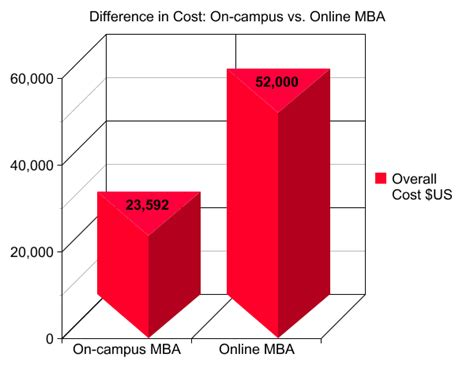
NCES and institutional pricing data show that tuition rates are often similar.
The real difference appears in non-tuition costs.
Online degrees often reduce:
- Transportation costs
- Housing or relocation expenses
- Campus activity fees
On-campus programs often add:
- Commuting and parking costs
- Higher incidental fees
- Time-related expenses
Over multiple years, these indirect costs can materially affect total ROI.
For deeper context, see
How Much Does an Online Degree Cost in the U.S.?
Time and Flexibility Risk
Time flexibility is one of the most important—but underestimated—factors for adult learners.
Research summarized by OECD and adult completion data from NCES show that rigid schedules significantly increase the risk of:
- Extended completion timelines
- Burnout
- Program withdrawal
Online programs generally allow adults to adjust study intensity as life circumstances change, reducing completion risk.
Employer Recognition and Career Signaling

Employer perception is often cited as a reason to choose on-campus programs.
However, workforce research from Georgetown University’s Center on Education and the Workforce (CEW) indicates that for many roles:
- Accreditation and field of study matter more than delivery format
- Online degrees from recognized institutions perform similarly to on-campus degrees in hiring outcomes
The signaling advantage of on-campus study is often local, not universal.
ROI Over Time: Which Path Is Safer?
Short Term (0–2 Years)
- On-campus: networking access, but higher time and travel burden
- Online: lower disruption, fewer indirect costs
Mid Term (2–5 Years)
- On-campus: may benefit local employer familiarity
- Online: easier job mobility across regions
Long Term (5+ Years)
BLS longitudinal data shows degree holders’ outcomes converge over time, regardless of delivery format, assuming comparable accreditation and field relevance.
The safer option is often the one most likely to be completed on time.
When a Part-Time On-Campus Degree Makes More Sense
A part-time on-campus degree may be preferable if:
- You are targeting a specific local employer network
- Your field values in-person mentorship
- Schedule rigidity does not pose a risk
In these cases, local signaling can justify higher indirect costs.
When an Online Degree Is the Better Choice
Online degrees often make more sense when:
- You need maximum schedule flexibility
- You anticipate job or location changes
- You are managing family or caregiving responsibilities
- You want to minimize completion risk
For many adult learners, flexibility directly translates into ROI stability.
For risk comparisons, see
Online Degree ROI vs Staying in the Same Job
How to Decide: A Practical Adult Learner Checklist
Before choosing, ask:
- Can I realistically attend campus consistently for 2–4 years?
- How much will commuting and time loss cost me annually?
- Will local networking materially affect my career goals?
- Which option is more resilient if my schedule changes?
The option that survives disruption is usually the smarter investment.
Final Verdict
In 2026, the decision is less about online vs on-campus, and more about risk management.
- Online degrees often win on flexibility, completion probability, and geographic mobility
- Part-time on-campus degrees can add value when local networks truly matter
For most working adults, the degree you finish on time with minimal disruption delivers the better ROI.