Related Learning Topics

This page groups related educational articles and learning resources by topic, helping readers explore specific themes across our educational content.

Tag Archive highlighting

Passive Learning vs Active Learning: Why “Just Reading” Feels Productive but Fails

Passive learning creates an illusion of understanding in students

Many students spend hours rereading textbooks, watching lectures, or highlighting notes — yet still struggle to remember what they studied days later.

This is not a motivation problem.
It is a learning strategy problem.

Research in cognitive science consistently shows that passive learning feels productive but produces weak learning outcomes, while active learning feels harder but leads to durable understanding.

This article explains:

  • What passive and active learning actually mean
  • Why passive learning creates an illusion of mastery
  • What research says about effective alternatives
  • How to redesign study sessions using evidence-based strategies

What Is Passive Learning?

Passive learning refers to study activities where learners receive information without actively engaging with it.

Common examples include:

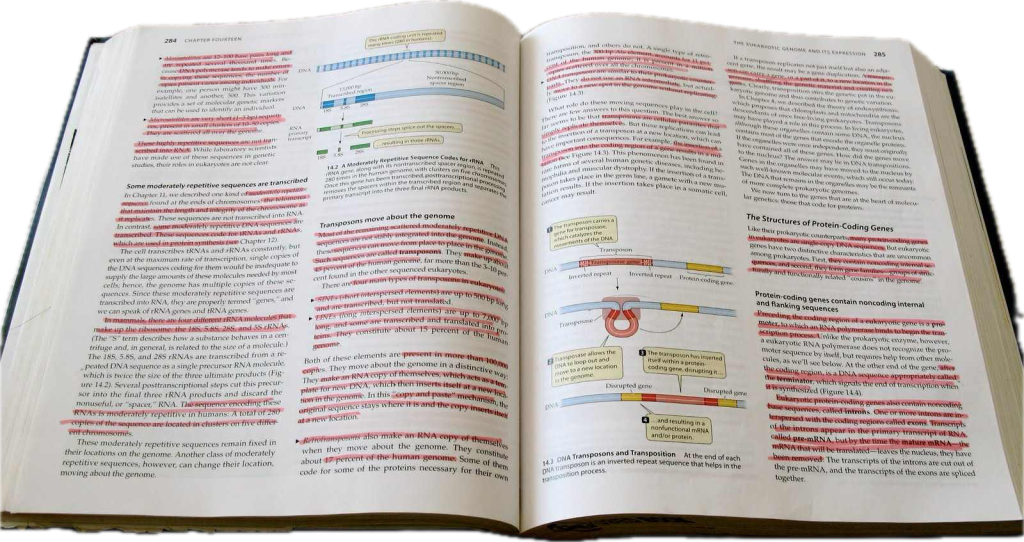
  • Rereading notes or textbooks
  • Watching recorded lectures without interaction
  • Highlighting or underlining text
  • Copying notes word-for-word

These methods are popular because they feel smooth and familiar. Information flows easily, creating a false sense of understanding.

However, ease of processing is not the same as learning.
Passive learning creates an illusion of understanding in students

What Is Active Learning?

Active learning involves effortful mental processes that require learners to retrieve, manipulate, or apply information.

Examples of active learning include:

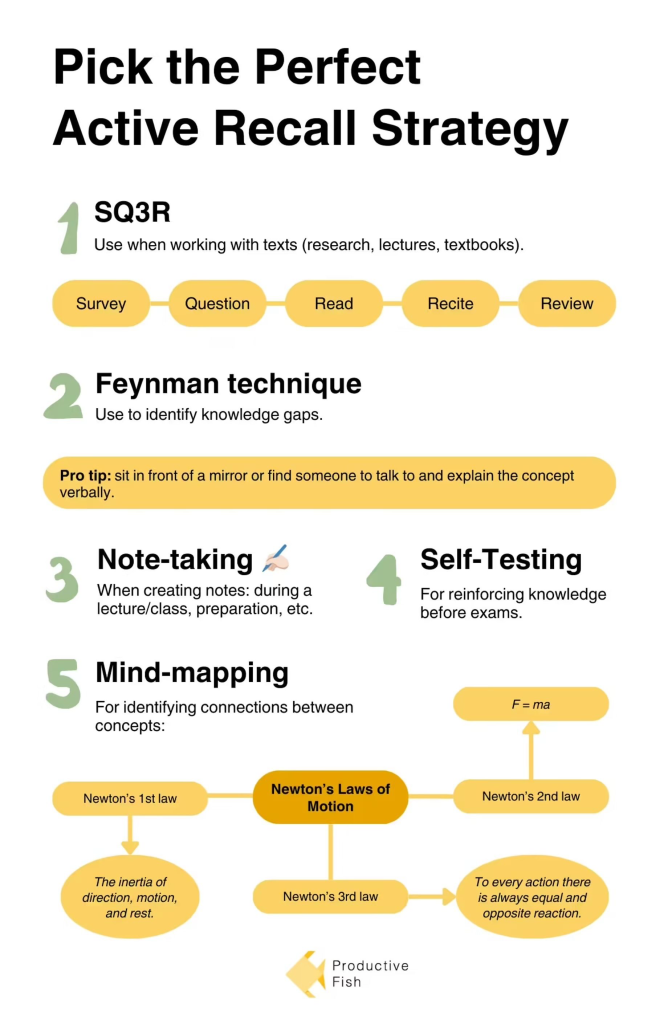
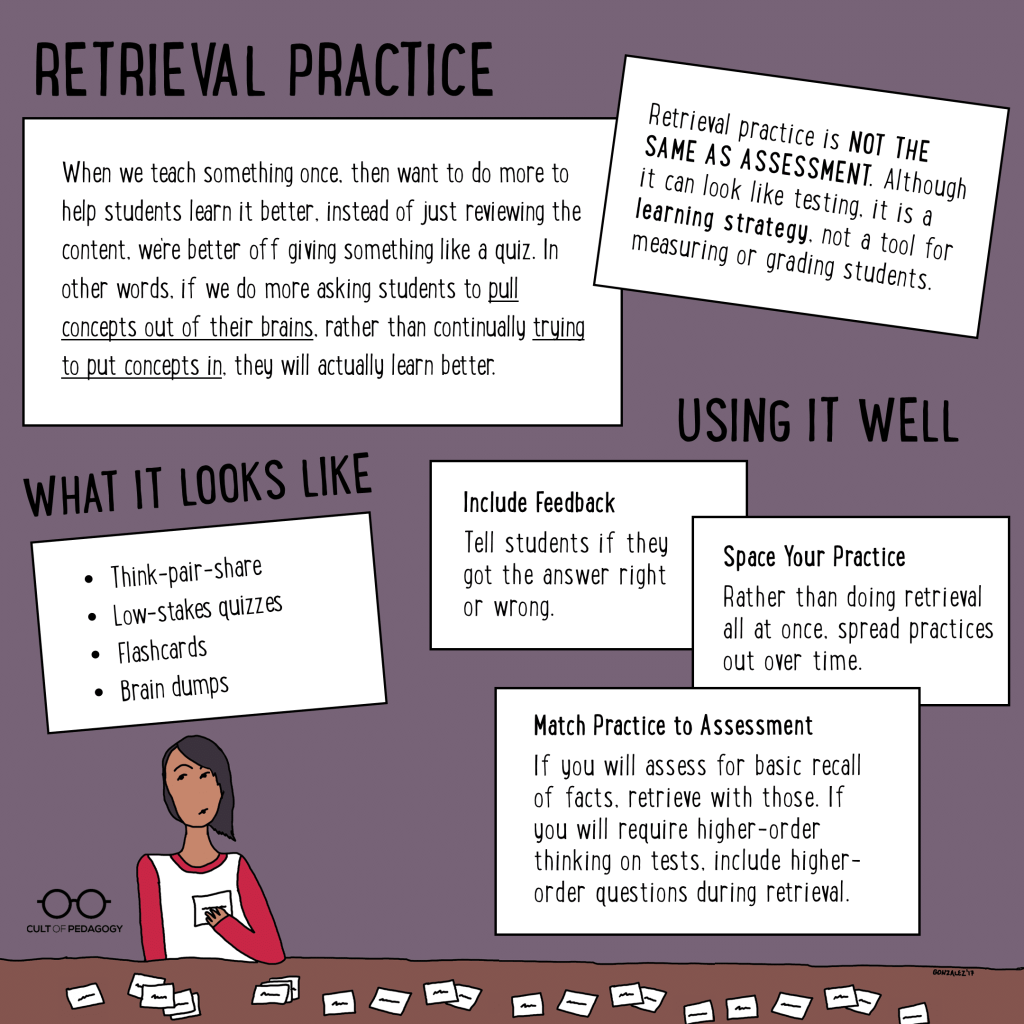
  • Self-testing and retrieval practice
  • Explaining concepts in your own words
  • Teaching the material to someone else
  • Solving problems without notes
  • Spaced repetition over time

Active learning forces the brain to reconstruct knowledge, strengthening memory pathways.

Why Passive Learning Feels Effective (But Isn’t)

Passive learning creates what psychologists call fluency — information feels familiar because it has been seen recently.

But fluency is misleading.

Key research finding

In a classic study by Dunlosky et al. (2013), students rated rereading as highly effective, yet it consistently produced lower long-term retention compared to retrieval-based strategies.

In other words:

Feeling confident ≠ being able to remember later.

The Illusion of Competence

Passive learning leads to an illusion of competence — the belief that you understand material simply because it looks recognizable.

This illusion breaks down when:

  • You try to recall information without notes
  • You attempt to explain concepts clearly
  • You face exam questions that require transfer or application

Active learning exposes gaps early, which feels uncomfortable — but this discomfort is a signal that real learning is happening.

What the Research Says About Active Learning

Multiple large-scale studies support active learning:

  • Retrieval practice improves long-term retention more than rereading (Roediger & Karpicke, 2006)
  • Spaced practice outperforms cramming across age groups and subjects
  • Generative learning (explaining, summarizing, teaching) deepens conceptual understanding

Active strategies work because they increase desirable difficulty — effort that strengthens memory rather than weakens it.

How to Convert Passive Study Into Active Learning

You do not need to study longer. You need to study differently.
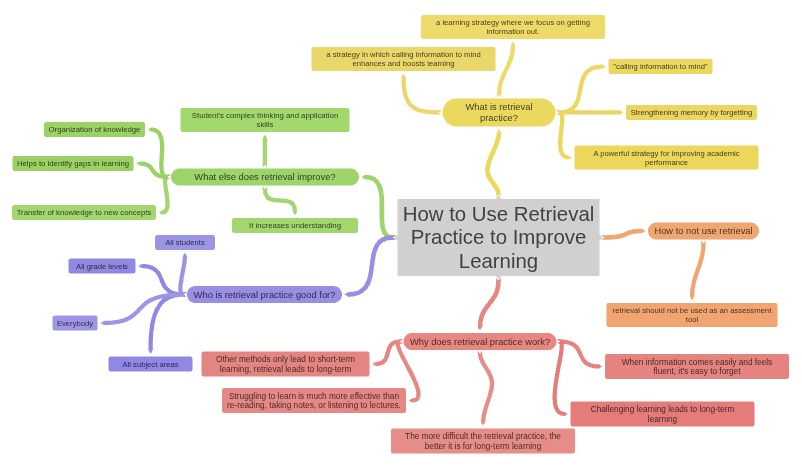
Illustration showing the difference between familiarity and real learning

Example transformation:

Passive HabitActive Alternative
Rereading notesClose notes and write key ideas from memory
Watching lecturesPause and predict what comes next
HighlightingCreate questions from headings
Copying notesExplain the topic out loud in simple terms

A Simple Active Learning Study Template

You can structure a 45-minute study session like this:

  1. 10 minutes – Review goals and key questions
  2. 20 minutes – Attempt recall without notes
  3. 10 minutes – Check answers and correct errors
  4. 5 minutes – Summarize what was difficult

This approach produces far more durable learning than passive review.

Illustration showing the difference between familiarity and real learning

Final Takeaway

Passive learning is attractive because it feels easy.
Active learning works because it is effortful.

If your goal is long-term understanding rather than short-term familiarity, the discomfort of active learning is not a weakness — it is the mechanism of learning itself.

References

  • Dunlosky, J. et al. (2013). Improving Students’ Learning With Effective Learning Techniques. Psychological Science in the Public Interest.
  • Roediger, H. L., & Karpicke, J. D. (2006). Test-enhanced learning. Psychological Science.

Why Re-Reading and Highlighting Fail: The Cognitive Mechanisms Behind Ineffective Studying

Introduction

Re-reading and highlighting remain two of the most widely used study strategies across schools and universities. They are simple, familiar, and feel productive.

However, large-scale reviews in cognitive science consistently show that these methods produce weak long-term retention and poor knowledge transfer. More importantly, they fail for predictable cognitive reasons.

This article goes beyond surface-level advice and explains how memory encoding, retrieval, and illusion of competence interact, using findings from experimental psychology and neuroscience.

How Memory Is Actually Formed: Encoding vs. Retrieval

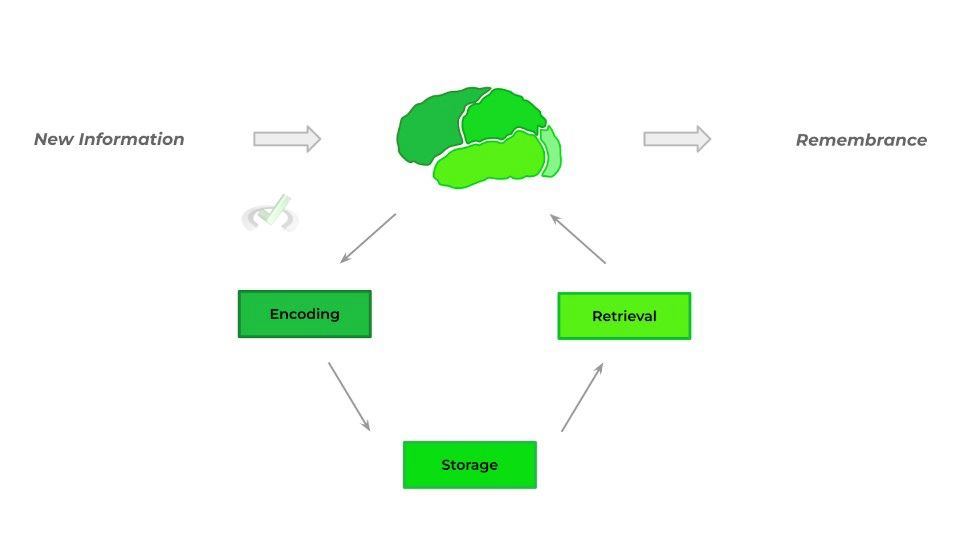
To understand why re-reading fails, we must distinguish between encoding strength and retrieval strength.

Psychologist Robert Bjork proposed that learning involves two separate processes:

  • Encoding: How information is stored
  • Retrieval: How easily information can be accessed later

Re-reading primarily increases perceptual fluency but does very little to strengthen retrieval pathways.

This is why students often say:

“I understand it when I look at it, but I can’t recall it during exams.”

The Fluency Trap: Why Familiarity Is Misleading

When learners re-read material, neural processing becomes faster and smoother. This creates a sense of mastery — a phenomenon known as fluency illusion.

However, brain imaging studies show that fluency reflects reduced cognitive effort, not deeper learning.

In short:

  • The brain mistakes ease for mastery
  • Familiar text feels “known” but remains fragile in memory

Why Highlighting Rarely Improves Learning

Highlighting fails for a structural reason:

It does not require generative processing.

Most learners highlight:

  • Without deciding why something is important
  • Without reprocessing highlighted content later

Experimental studies show that excessive highlighting can even reduce comprehension, as it encourages surface scanning instead of meaning construction.

memory encoding vs retrieval learning science

Experimental Evidence: What the Data Shows

In the influential meta-analysis by Dunlosky et al. (2013):

  • Re-reading and highlighting ranked among the lowest-performing strategies
  • Retrieval practice and spaced learning produced significantly higher retention gains

Participants who used retrieval-based methods consistently outperformed those who relied on passive review — even when total study time was lower.

Why Ineffective Strategies Persist

These methods survive because they satisfy three psychological biases:

  1. Effort avoidance – The brain prefers low-cost strategies
  2. Immediate confidence – Fluency feels reassuring
  3. Poor metacognition – Learners misjudge what causes learning

Ironically, strategies that feel harder are usually the ones that work.

What Works Better: Mechanism-Based Alternatives

Effective strategies share one principle:

They force the brain to reconstruct information.

Retrieval Practice

Actively recalling material strengthens retrieval routes and exposes gaps.

Spaced Learning

Time gaps introduce forgetting, which paradoxically strengthens memory reconsolidation.

Elaboration

Explaining why and how integrates new knowledge with existing schemas.

retrieval practice effective learning strategy

Conclusion

Re-reading and highlighting fail not because students use them incorrectly, but because they rely on the wrong cognitive mechanisms.

Learning is not reinforced by exposure, but by reconstruction. Understanding this distinction allows learners to replace comforting habits with strategies that produce durable knowledge.

References

  • Dunlosky, J., et al. (2013). Psychological Science in the Public Interest
  • Bjork, R. A. (2011). Desirable Difficulties in Learning