Related Learning Topics

This page groups related educational articles and learning resources by topic, helping readers explore specific themes across our educational content.

Tag Archive cramming

Passive Learning vs Active Learning: Why “Just Reading” Feels Productive but Fails

Passive learning creates an illusion of understanding in students

Many students spend hours rereading textbooks, watching lectures, or highlighting notes — yet still struggle to remember what they studied days later.

This is not a motivation problem.
It is a learning strategy problem.

Research in cognitive science consistently shows that passive learning feels productive but produces weak learning outcomes, while active learning feels harder but leads to durable understanding.

This article explains:

  • What passive and active learning actually mean
  • Why passive learning creates an illusion of mastery
  • What research says about effective alternatives
  • How to redesign study sessions using evidence-based strategies

What Is Passive Learning?

Passive learning refers to study activities where learners receive information without actively engaging with it.

Common examples include:

  • Rereading notes or textbooks
  • Watching recorded lectures without interaction
  • Highlighting or underlining text
  • Copying notes word-for-word

These methods are popular because they feel smooth and familiar. Information flows easily, creating a false sense of understanding.

However, ease of processing is not the same as learning.
Passive learning creates an illusion of understanding in students

What Is Active Learning?

Active learning involves effortful mental processes that require learners to retrieve, manipulate, or apply information.

Examples of active learning include:

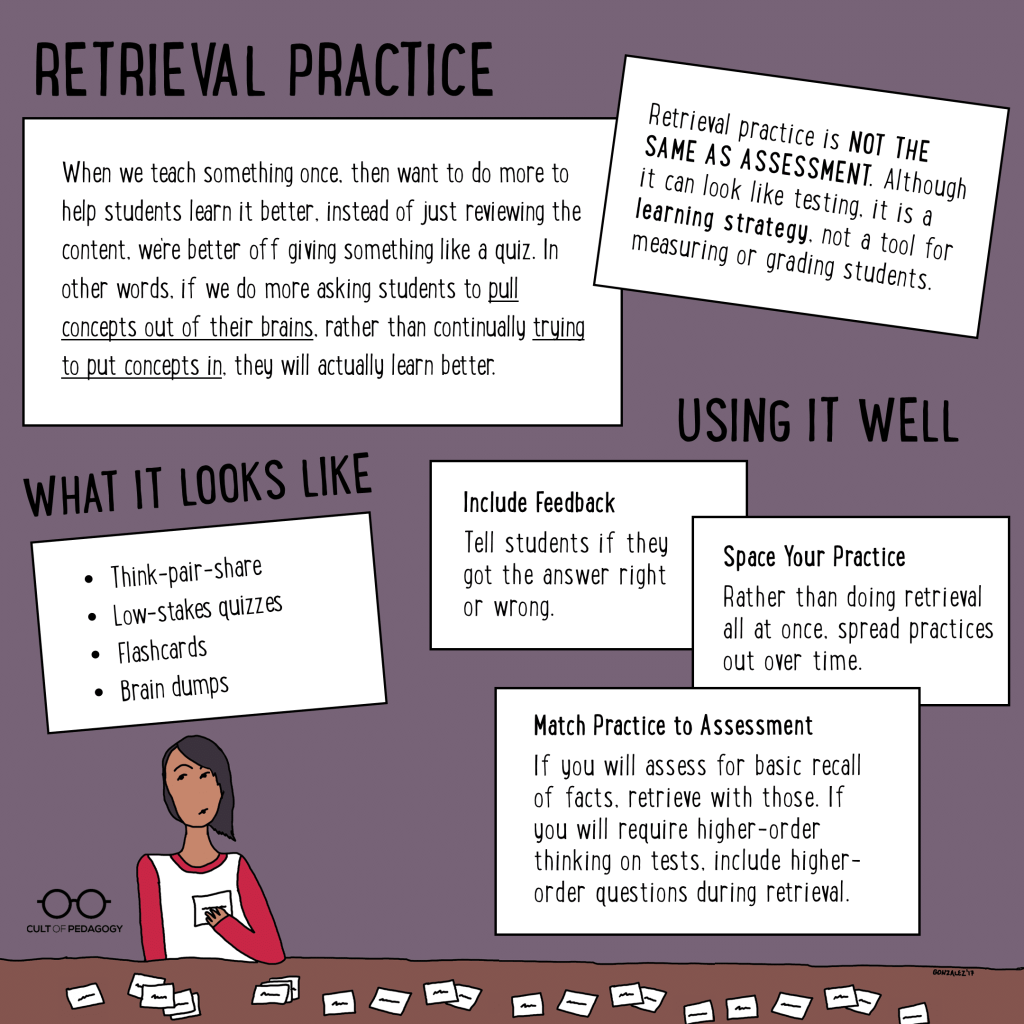
  • Self-testing and retrieval practice
  • Explaining concepts in your own words
  • Teaching the material to someone else
  • Solving problems without notes
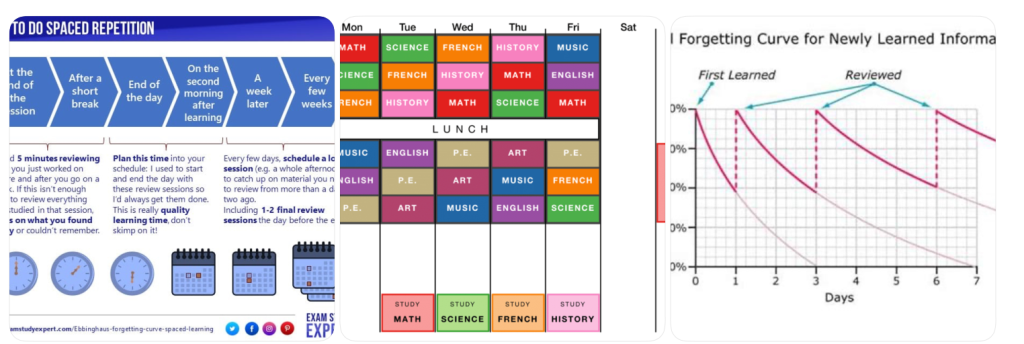
  • Spaced repetition over time

Active learning forces the brain to reconstruct knowledge, strengthening memory pathways.

Why Passive Learning Feels Effective (But Isn’t)

Passive learning creates what psychologists call fluency — information feels familiar because it has been seen recently.

But fluency is misleading.

Key research finding

In a classic study by Dunlosky et al. (2013), students rated rereading as highly effective, yet it consistently produced lower long-term retention compared to retrieval-based strategies.

In other words:

Feeling confident ≠ being able to remember later.

The Illusion of Competence

Passive learning leads to an illusion of competence — the belief that you understand material simply because it looks recognizable.

This illusion breaks down when:

  • You try to recall information without notes
  • You attempt to explain concepts clearly
  • You face exam questions that require transfer or application

Active learning exposes gaps early, which feels uncomfortable — but this discomfort is a signal that real learning is happening.

What the Research Says About Active Learning

Multiple large-scale studies support active learning:

  • Retrieval practice improves long-term retention more than rereading (Roediger & Karpicke, 2006)
  • Spaced practice outperforms cramming across age groups and subjects
  • Generative learning (explaining, summarizing, teaching) deepens conceptual understanding

Active strategies work because they increase desirable difficulty — effort that strengthens memory rather than weakens it.

How to Convert Passive Study Into Active Learning

You do not need to study longer. You need to study differently.
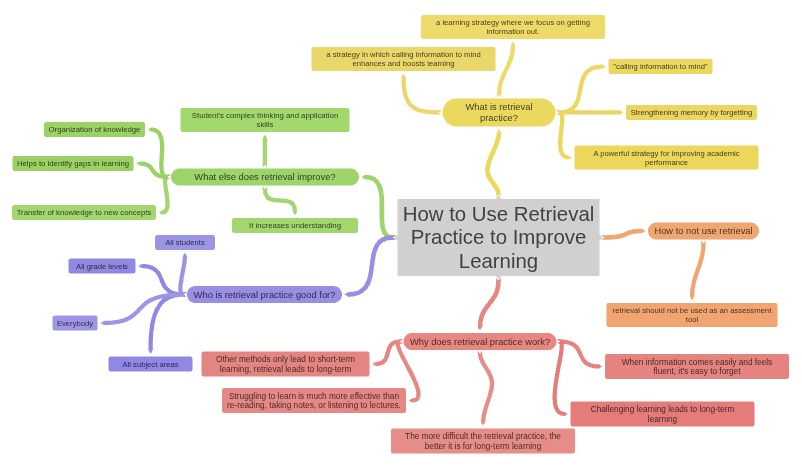
Illustration showing the difference between familiarity and real learning

Example transformation:

Passive HabitActive Alternative
Rereading notesClose notes and write key ideas from memory
Watching lecturesPause and predict what comes next
HighlightingCreate questions from headings
Copying notesExplain the topic out loud in simple terms

A Simple Active Learning Study Template

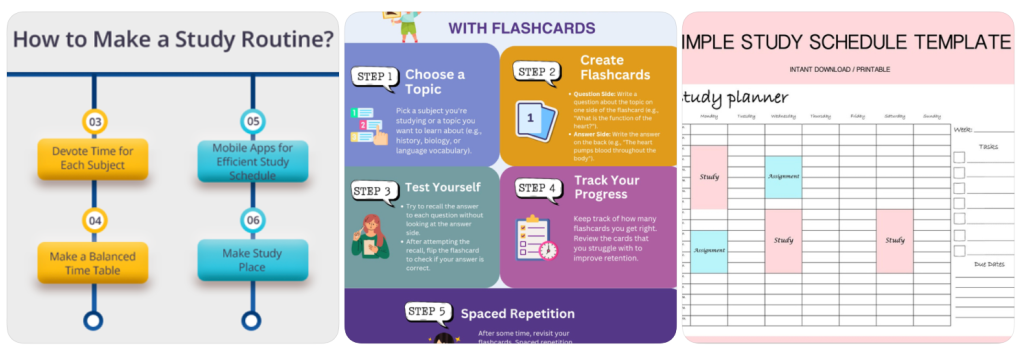
You can structure a 45-minute study session like this:

  1. 10 minutes – Review goals and key questions
  2. 20 minutes – Attempt recall without notes
  3. 10 minutes – Check answers and correct errors
  4. 5 minutes – Summarize what was difficult

This approach produces far more durable learning than passive review.
Illustration showing the difference between familiarity and real learning

Final Takeaway

Passive learning is attractive because it feels easy.
Active learning works because it is effortful.

If your goal is long-term understanding rather than short-term familiarity, the discomfort of active learning is not a weakness — it is the mechanism of learning itself.

References

  • Dunlosky, J. et al. (2013). Improving Students’ Learning With Effective Learning Techniques. Psychological Science in the Public Interest.
  • Roediger, H. L., & Karpicke, J. D. (2006). Test-enhanced learning. Psychological Science.

Why Cramming Doesn’t Work: What Learning Science Reveals About Memory and Retention

Introduction

Many students rely on cramming — studying intensively right before an exam — because it seems efficient. In the short term, this approach can produce quick results, especially when tests focus on recent material.

However, decades of research in cognitive psychology show that cramming is one of the least effective ways to achieve long-term learning. While it may boost short-term performance, it often fails to support durable memory and knowledge transfer.

This article examines why cramming feels effective, how human memory actually works, and what learning science reveals about more effective alternatives.

What Is Cramming?

Student cramming for exams late at night

Cramming refers to massed study, where large amounts of information are reviewed in a short period of time, typically right before an exam.

Common signs of cramming include:

  • Studying for many hours in one session
  • Reviewing material only once
  • Little or no review after the exam
  • Prioritizing speed over understanding

While cramming may feel productive, its effects on memory are largely temporary.

Why Cramming Feels Effective

Cramming works primarily because of short-term memory activation. When information is reviewed repeatedly in a brief window, it remains accessible for a short time.

This creates two powerful illusions:

  1. Fluency illusion – Material feels familiar, leading learners to believe it is well understood.
  2. Performance illusion – Immediate recall is mistaken for long-term learning.

Research shows that performance during study is not a reliable indicator of future retention.

📚 Source:

Soderstrom, N. C., & Bjork, R. A. (2015). Learning Versus Performance. Psychological Science.

How Memory Actually Works

Human memory depends on encoding, consolidation, and retrieval.

  • Encoding: Initial exposure to information
  • Consolidation: Stabilization of memory over time
  • Retrieval: Accessing stored information later

Cramming heavily emphasizes encoding but leaves little time for consolidation. Without sufficient spacing and retrieval, memories remain fragile and are easily forgotten.

The Spacing Effect: Why Time Matters

Student cramming for exams late at night

One of the most robust findings in learning science is the spacing effect.

Research consistently shows that:

  • Information studied over spaced sessions is retained longer
  • Total study time can be the same, yet outcomes differ dramatically
  • Forgetting between sessions actually strengthens learning

📚 Source:

Cepeda, N. J. et al. (2009). Spacing Effects in Learning. Psychological Science.

Cramming eliminates spacing entirely, which explains why knowledge gained through cramming fades quickly.

Cramming vs Spaced Learning: A Comparison

AspectCrammingSpaced Learning
Study timingOne sessionMultiple sessions
RetentionShort-termLong-term
Cognitive effortLow to moderateModerate
Forgetting rateHighLow
Research support

Why Cramming Fails Under Pressure

Under stress — such as exams or real-world application — learners rely on retrieval strength, not familiarity.

Because crammed information has weak retrieval pathways:

  • Recall breaks down under pressure
  • Knowledge cannot be transferred to new contexts
  • Learning feels unstable and unreliable

This explains why students often “blank out” despite extensive last-minute study.

When Cramming Might Appear to Work

It is important to acknowledge that cramming can produce short-term performance gains, particularly when:

  • Exams focus on recognition rather than recall
  • Material will not be needed again
  • Time constraints are extreme

However, research suggests that these gains come at the cost of rapid forgetting and limited understanding.

Evidence-Based Alternatives to Cramming

Student cramming for exams late at night

Learning science identifies several strategies that consistently outperform cramming:

1. Spaced Practice

Review material across days or weeks.

2. Active Recall

Test yourself without notes to strengthen retrieval.

3. Interleaving

Mix related topics instead of studying one topic at a time.

4. Reflection

Identify mistakes and misunderstandings during review.

These strategies may feel slower but lead to more durable learning.

Final Thoughts

Cramming persists because it feels efficient, not because it is effective. Research in cognitive science clearly shows that long-term learning depends on spacing, retrieval, and time.

By shifting away from last-minute study and toward evidence-based learning strategies, students can improve not only exam performance but also long-term understanding and knowledge retention.

References

  • Soderstrom, N. C., & Bjork, R. A. (2015). Psychological Science
  • Cepeda, N. J. et al. (2009). Psychological Science
  • Bjork, R. A. (1994). Memory and Metamemory Considerations