
What Adult Learners Need to Know Before Choosing Low-Cost Programs
“Cheap” online degrees are everywhere.
In 2026, adult learners searching for online education are often shown programs that promise:
- Low tuition
- Fast completion
- Flexible entry requirements
But the real question is not whether these degrees are affordable.
The real question is whether cheap online degrees are worth the risk.
This guide examines low-cost online degrees from a credential value, employer recognition, and long-term ROI perspective, using higher-education data and workforce research—not marketing claims.
What Counts as a “Cheap” Online Degree?
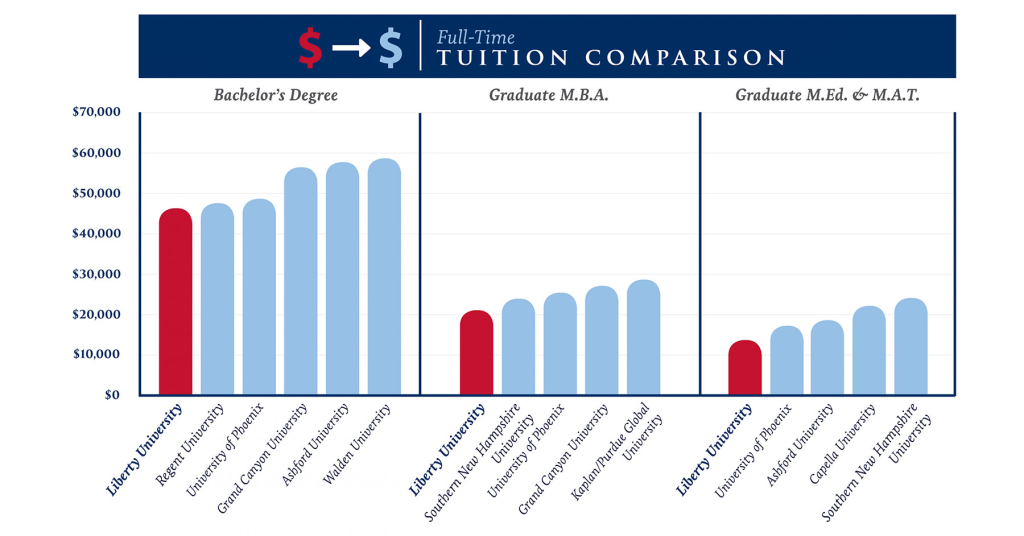
There is no official definition, but based on NCES and institutional disclosures, “cheap” online degrees typically fall into one or more categories:
- Tuition significantly below public in-state averages
- Flat-rate or subscription-based pricing
- Minimal admission requirements
- Aggressive marketing focused on speed and affordability
Low price alone is not a red flag—but price combined with weak credential signals often is.
Why Cheap Online Degrees Exist

According to analyses of U.S. higher education markets by NCES and policy reviews from the U.S. Government Accountability Office (GAO), low-cost online degrees usually emerge from:
- Scale-driven models
Institutions reduce cost by enrolling large volumes of students. - Limited student services
Advising, career support, and faculty access may be minimal. - Narrow program scope
Programs focus on general studies or low-cost disciplines.
Lower cost is often achieved by removing support, not by increasing efficiency.
The Real Risks Behind Cheap Online Degrees
1. Employer Recognition Risk
Research summarized by Georgetown University’s Center on Education and the Workforce (CEW) shows that employer perception matters as much as degree level.
Degrees from institutions with:
- Weak accreditation
- Limited employer familiarity
- Poor outcomes reporting
often provide less mobility, even if technically accredited.
2. Transferability Risk
NCES reporting shows that credits from low-cost or nontraditional institutions are less likely to transfer to other programs.
If your situation changes, a “cheap” degree may become non-portable, forcing you to start over elsewhere.
3. Completion Risk
Adult learner outcome studies referenced by OECD indicate that programs with minimal structure and support often experience:
- Higher dropout rates
- Longer completion timelines
- Increased burnout
A degree that is cheap upfront can become expensive if it drags on or goes unfinished.
Cost vs ROI: Cheap Does Not Mean Good Value
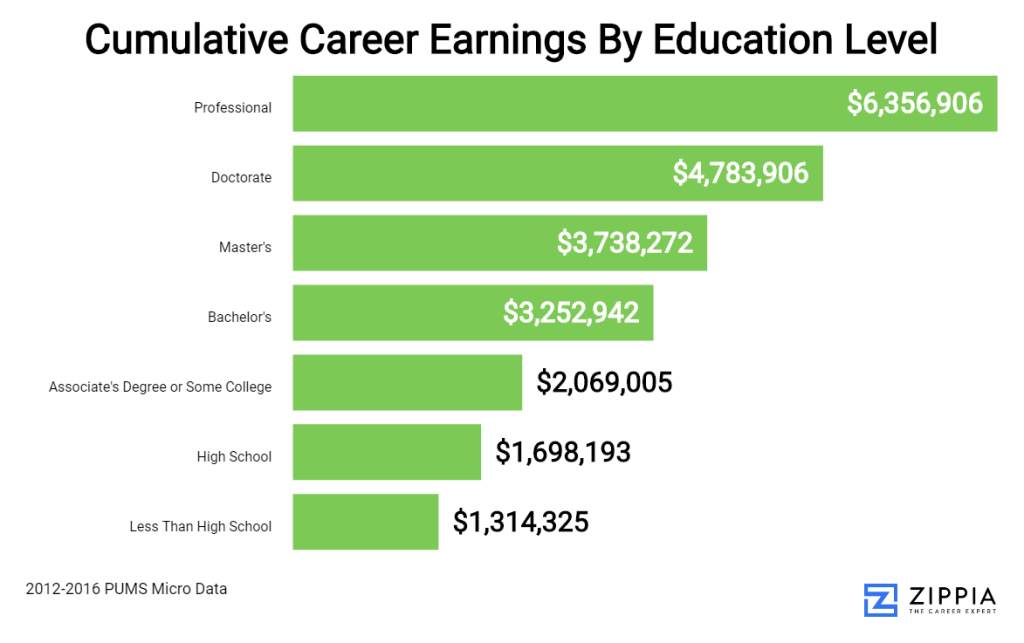
ROI depends on what the degree unlocks, not how little it costs.
According to BLS Occupational Outlook data:
- Many roles require a degree and employer trust
- Degrees that fail to unlock new roles deliver weak ROI regardless of price
A low-cost degree with limited recognition may never recover its cost—financially or professionally.
When Cheap Online Degrees Can Make Sense

Cheap online degrees may be reasonable when:
- You already have strong experience
- The degree is a checkbox requirement
- Employer recognition is secondary
- You are not relying on credit transfer or prestige
In these cases, affordability can outweigh signaling power.
When Cheap Online Degrees Are a Bad Idea
They are usually risky when:
- You are changing industries
- You need strong employer signaling
- You may pursue further education later
- You expect the degree to open new doors
For career changers, credential strength matters more than tuition savings.
For broader context, compare with:
- Online Degree ROI vs Staying in the Same Job
- How Long Does It Take for an Online Degree to Pay Off?
How to Evaluate a Cheap Online Degree (Practical Checklist)
Before enrolling, adult learners should verify:
- Accreditation type (regional vs national)
- Employer familiarity in your target field
- Credit transfer policies in writing
- Completion and retention data
- Career outcomes transparency
Programs that resist these questions often hide risk behind low prices.
Final Verdict: Are Cheap Online Degrees Worth It?
Cheap online degrees are not automatically bad—but they are not automatically good value either.
In 2026, the safest way to evaluate them is not by price, but by asking:
What doors will this degree realistically open—and which ones will it not?
A slightly more expensive degree that improves mobility and resilience often delivers far better ROI than the cheapest option available.