
The Real Cost of Career Inaction for Adults
For adult learners, choosing an online degree is rarely easy.
But an equally important question is often ignored:
What happens if you do nothing and stay in the same job?
This article compares the return on investment (ROI) of earning an online degree versus staying in the same role without further credentials, using labor market research and adult workforce data to examine risk, opportunity cost, and long-term outcomes.
Why “Staying Put” Feels Safer Than It Actually Is
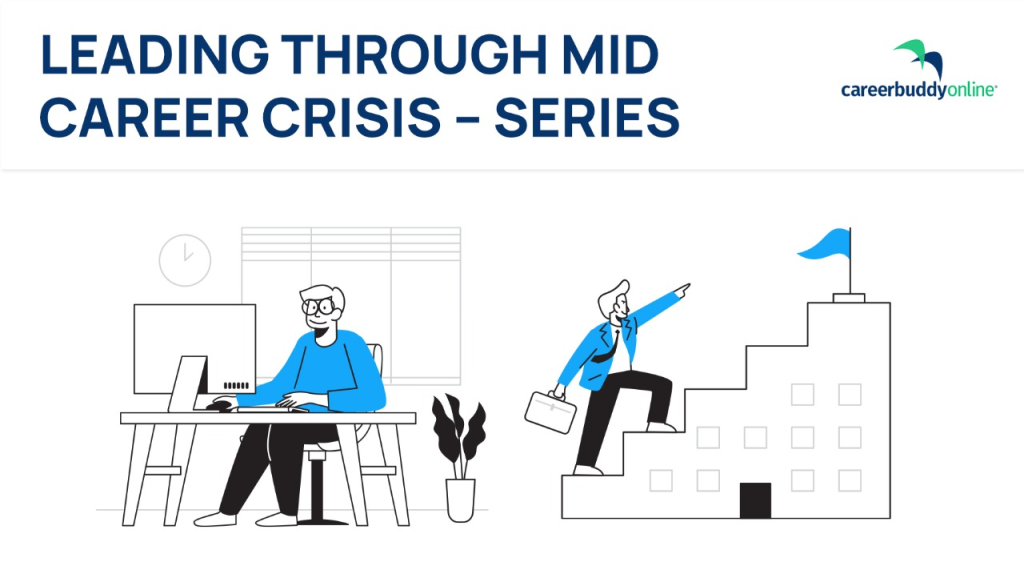
Staying in the same job often feels like the lower-risk choice because it avoids:
- Tuition costs
- Study time
- Short-term disruption
However, workforce research summarized by Georgetown University’s Center on Education and the Workforce (CEW) shows that career stagnation carries its own long-term costs, especially for mid-career workers.
Risk does not disappear when you avoid change—it often accumulates quietly.
The ROI of Staying in the Same Job
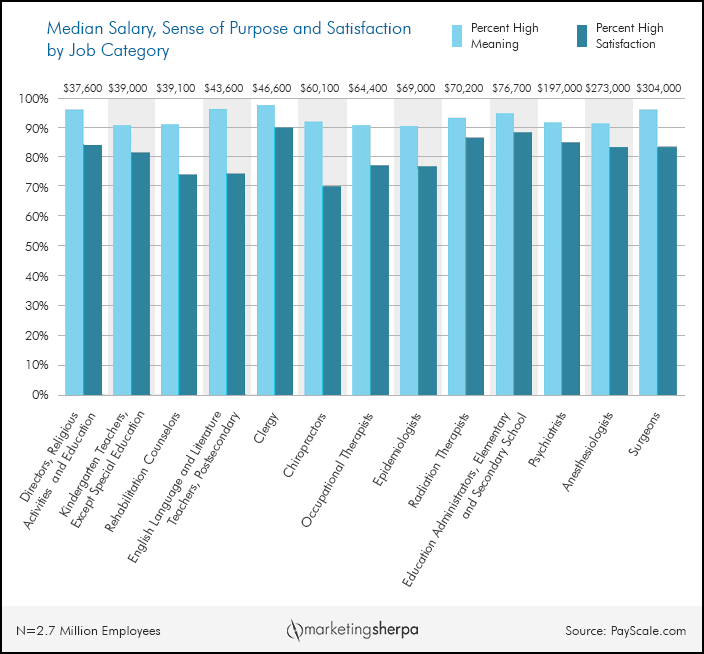
According to earnings trajectory analysis cited by Georgetown CEW and labor data from the U.S. Bureau of Labor Statistics (BLS), workers who remain in the same role for extended periods often experience:
- Slower wage growth
- Limited promotion opportunities
- Higher exposure to automation and restructuring
In many occupations, salary increases plateau after a certain point without additional credentials or role changes.
This does not mean staying is always wrong—but it does mean the ROI of staying is often flat or declining.
The ROI of an Online Degree
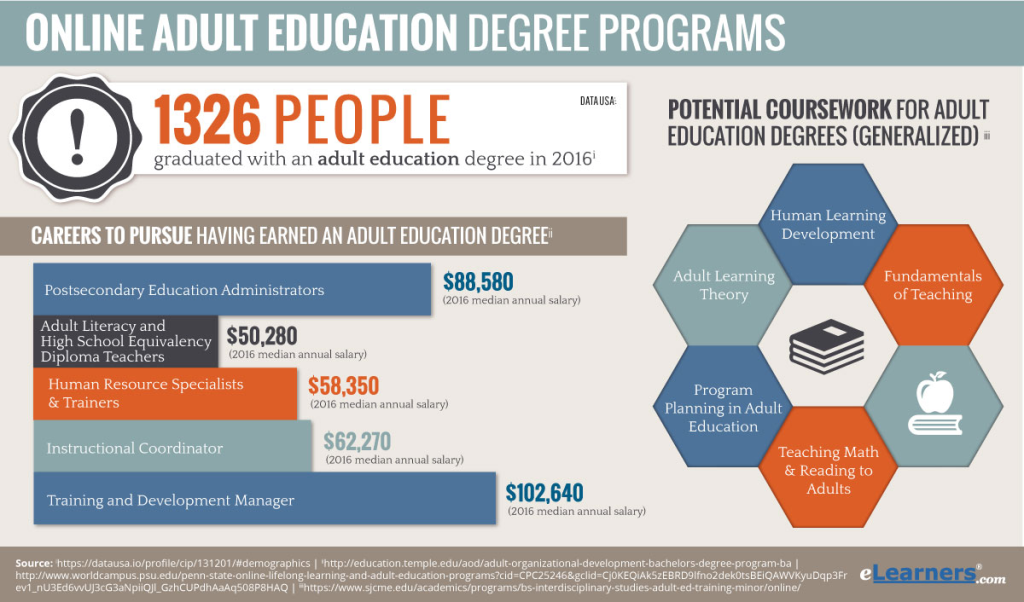
Online degrees introduce upfront cost and delayed payoff.
But research indicates they also create option value.
According to BLS Occupational Outlook data:
- Many higher-responsibility roles list a degree as a baseline requirement
- Degree holders typically face fewer barriers when switching employers
As discussed in
How Long Does It Take for an Online Degree to Pay Off?, the payoff often unfolds over 2–4 years, rather than immediately.
Comparing the Two Paths Over Time
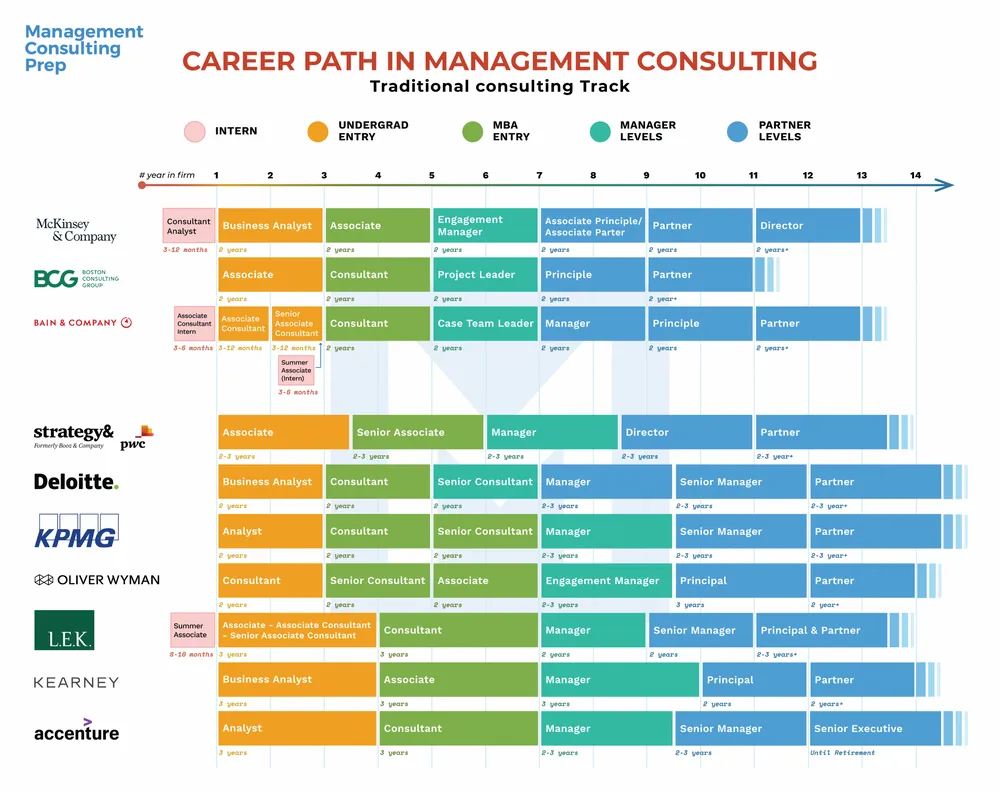
Short Term (0–2 Years)
- Staying put: income stability, minimal disruption
- Online degree: higher effort, limited immediate return
At this stage, staying often looks better on paper.
Mid Term (2–5 Years)
- Staying put: promotion ceilings become visible
- Online degree: expanded job eligibility and mobility
Georgetown CEW research suggests this is where the ROI curves begin to diverge.
Long Term (5+ Years)
- Staying put: increased vulnerability to layoffs or restructuring
- Online degree: greater resilience and adaptability
BLS longitudinal data consistently shows lower unemployment volatility among degree holders during economic downturns.
The Hidden Cost of Career Inaction
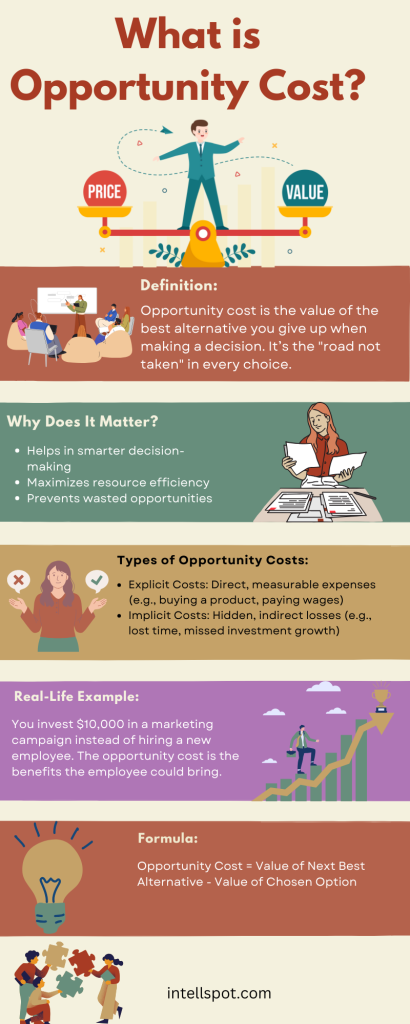
The most significant cost of staying is often missed opportunity, not lost income.
OECD adult workforce studies highlight that workers who delay reskilling often face:
- Fewer re-entry options later
- Higher retraining costs under time pressure
- Weaker bargaining power
This “option loss” is difficult to measure—but very real.
When Staying in the Same Job Actually Makes Sense
Staying can be rational when:
- Your role has clear advancement paths
- Employer-sponsored training is available
- Your industry is stable and credential-light
In such cases, the ROI of an online degree may be lower—or unnecessary.
For comparison with shorter paths, see
Online Degree vs Professional Certification: Which Pays Off Faster?
When an Online Degree Is the Lower-Risk Choice
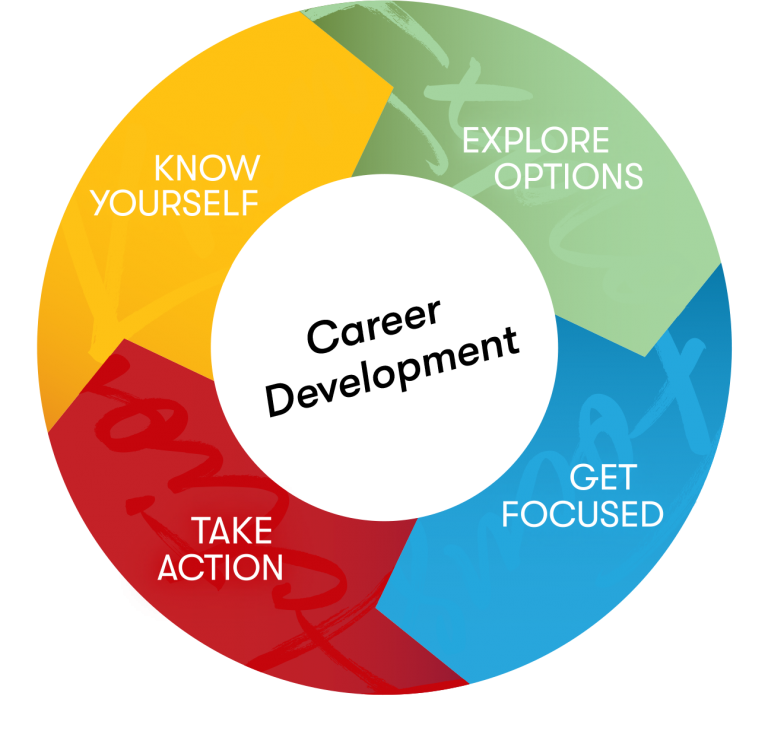
An online degree often becomes the safer option when:
- Job listings repeatedly require degrees
- Promotions stall despite strong performance
- Industry change is likely within 5–10 years
In these scenarios, inaction carries increasing risk.
How to Evaluate Your Personal ROI Decision
Before choosing either path, adult learners should ask:
- Has my income growth plateaued in this role?
- Do future roles I want require a degree?
- How exposed is my job to automation or restructuring?
- Can I afford short-term discomfort to reduce long-term risk?
Clear answers usually reveal which option is more expensive over time.
Final Takeaway
The real comparison is not degree vs no degree.
It is planned investment vs unplanned risk.
In 2026, staying in the same job without upskilling can be just as costly—if not more—than pursuing an online degree, especially for mid-career professionals facing limited mobility.
The safest choice is the one that leaves you with more options five years from now.
