
A Realistic ROI Timeline for Adult Learners
For adult learners, the decision to pursue an online degree is rarely about curiosity.
It is about time, money, and risk.
After asking how much an online degree costs, the next—and more important—question is:
How long will it take before this degree actually pays off?
This guide breaks down the realistic ROI timeline of online degrees in the U.S., based on labor market research, adult learner outcomes, and risk-adjusted career patterns—so you can set expectations before committing.
What “Pay Off” Really Means for Adult Learners

For traditional students, ROI is often measured over decades.
For adults, ROI is more immediate and practical.
In adult education research summarized by Georgetown University’s Center on Education and the Workforce (CEW), “payoff” typically refers to one or more of the following:
- Higher earnings
- Improved job stability
- Access to roles previously blocked
- Reduced unemployment risk
Importantly, ROI is not always a sudden salary jump—it is often risk reduction over time.
Average ROI Timelines: What the Research Suggests
While outcomes vary by field, multiple workforce studies point to three common ROI phases for adult learners.
1. Short-Term (0–2 Years): Rare but Possible
According to analyses cited by OECD Skills Outlook and BLS Occupational Outlook, short-term payoffs are uncommon but can occur when:
- The degree directly complements existing experience
- Employers reward credential completion immediately
- The learner stays within the same industry
This scenario is the exception, not the norm.
2. Mid-Term (2–4 Years): Most Common Break-Even Window
Research from Georgetown CEW indicates that many adult learners begin to see financial break-even within two to four years after degree completion.
This phase often includes:
- Promotions
- Job changes with higher responsibility
- Entry into degree-gated roles
For most career changers, this is the realistic planning window.
3. Long-Term (5+ Years): Compounding Returns
Over longer horizons, degrees tend to produce compounding benefits rather than one-time gains.
BLS longitudinal data shows that degree holders generally experience:
- Lower unemployment volatility
- Greater upward mobility
- More resilience during economic downturns
This is where degrees often outperform short-term credentials.
Why ROI Timelines Vary So Widely
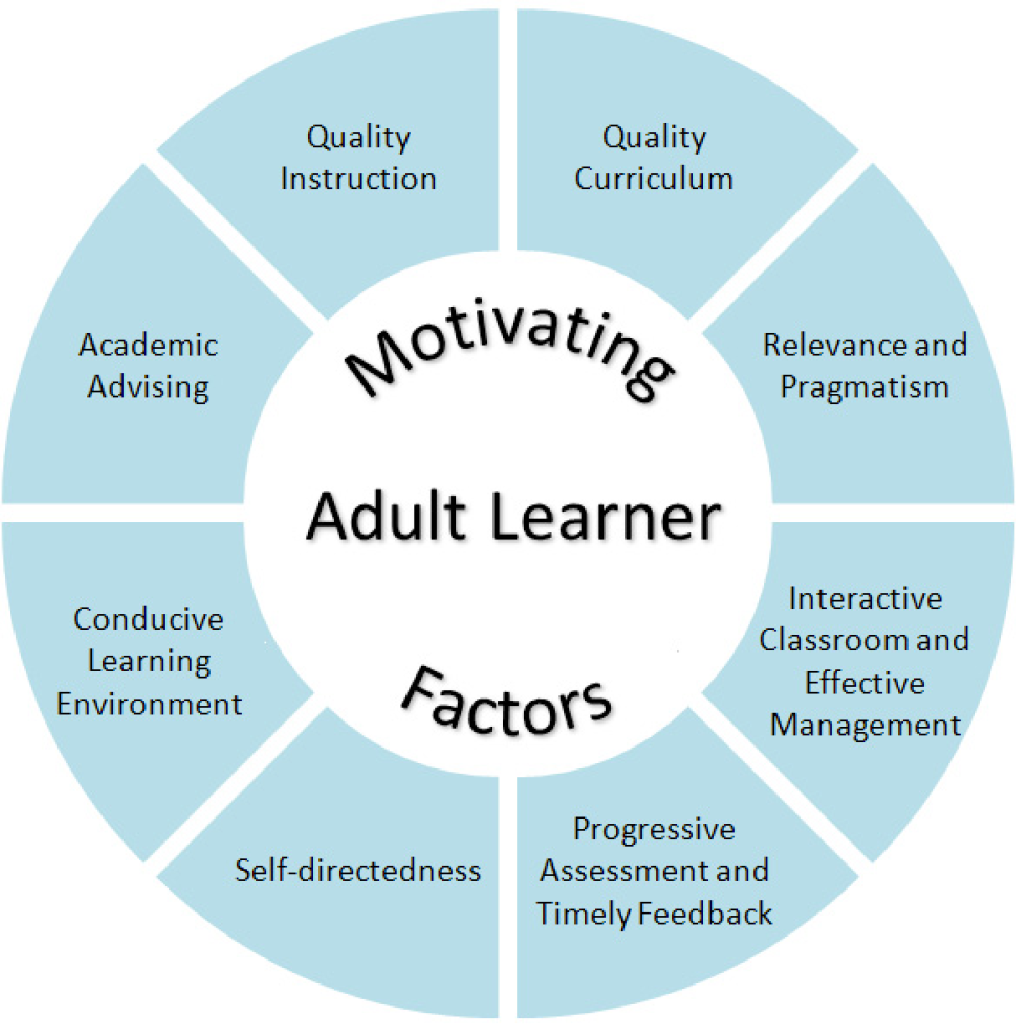
Adult learner ROI is influenced by several variables consistently highlighted in workforce research:
Field of Study
Degrees aligned with sustained labor demand (e.g., healthcare administration, IT, analytics) tend to pay off faster.
Prior Experience
Career switchers with transferable skills often shorten ROI timelines significantly.
Completion Speed
Extended time-to-degree delays ROI and increases cost exposure, as noted by NCES data on adult completion patterns.
Labor Market Timing
Entering a strong job market accelerates ROI; downturns delay it.
Online Degree vs Staying in the Same Job
A critical but overlooked comparison is ROI versus inaction.
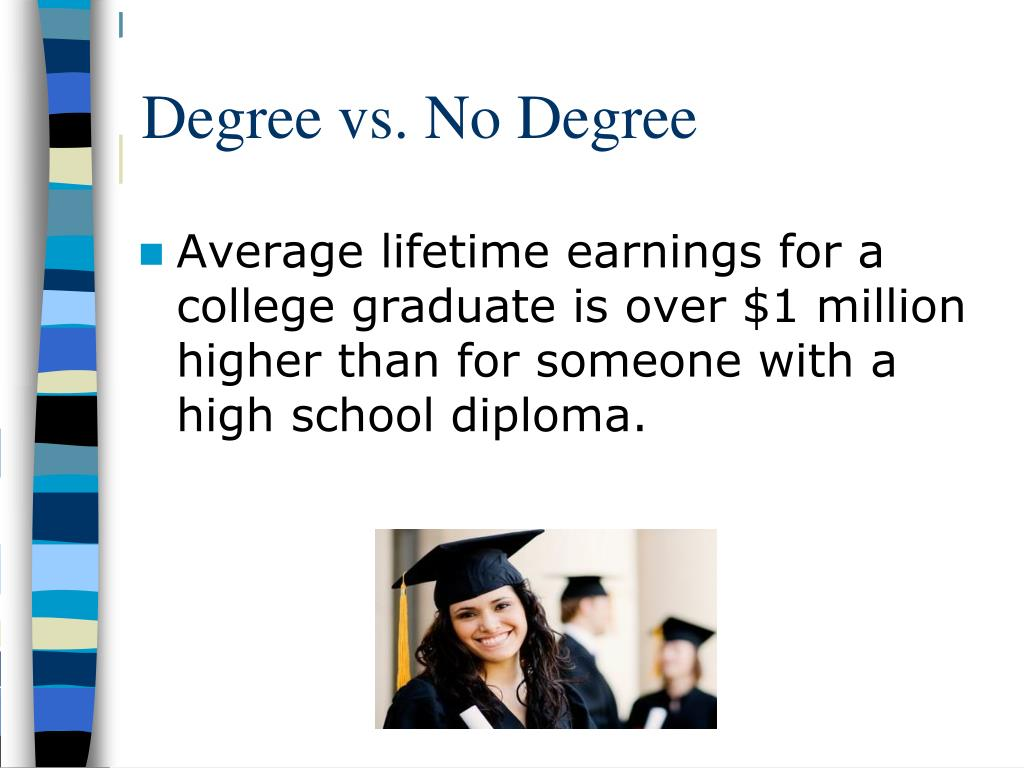
According to Georgetown CEW, workers without postsecondary credentials often experience:
- Slower wage growth
- Higher exposure to automation risk
- Limited promotion ceilings
In many cases, the question is not whether a degree pays off—but whether not pursuing one creates a larger long-term cost.
For related analysis, see
Online Degree ROI vs Staying in the Same Job (upcoming).
How Hidden Costs Affect ROI Timing
Hidden costs can significantly delay payoff timelines.
As discussed in
Hidden Costs of Online Degrees Most Adults Overlook, factors such as:
- Extended completion
- Opportunity cost
- Burnout-related pauses
often push ROI further out than expected.
This is why realistic planning matters more than optimistic projections.
How to Estimate Your Personal ROI Timeline
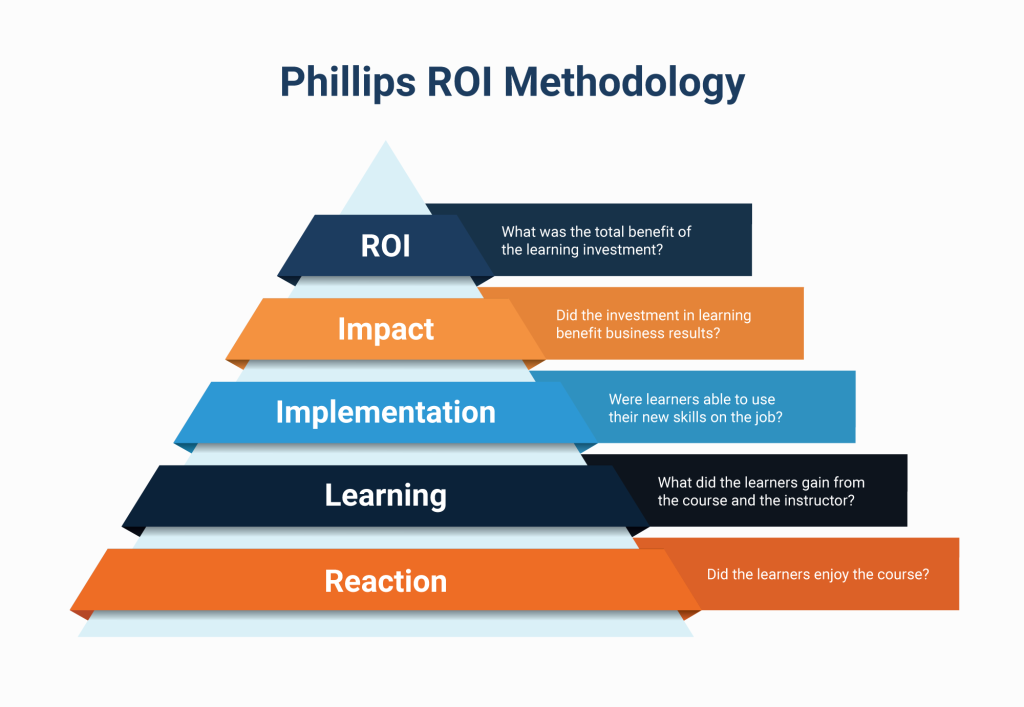
Before enrolling, adult learners should ask:
- Does this degree remove a clear career ceiling?
- How often do job listings in my target field require a degree?
- Can I complete the program without extending timelines?
- What is my fallback if immediate payoff does not occur?
Degrees with multiple positive answers tend to deliver more predictable ROI.
Degree vs Certification ROI Timelines
Short-term credentials often pay off faster—but plateau earlier.
OECD research suggests certifications are effective for:
- Skill validation
- Short-term role transitions
Degrees, by contrast, tend to provide:
- Longer ROI horizons
- Broader applicability
- Greater resilience
For a direct comparison, revisit
Online Degree vs Professional Certification: Which Pays Off Faster?
Final Takeaway
In 2026, most adult learners should expect an online degree to pay off over years, not months.
- 2–4 years is a realistic break-even window for many
- Long-term returns often matter more than early gains
- Degrees reduce career risk even when salary growth is gradual
The safest decisions are made with timeline awareness, not hope.
