
A Realistic Cost Breakdown for Adult Learners
For adults considering an online degree in the United States, the most common mistake is focusing only on tuition.
The real question is not:
“How much does the program cost?”
But rather:
“What will this degree actually cost me by the time I finish—and what risks am I taking?”
This guide provides a realistic, all-in cost breakdown of online degrees in the U.S., designed specifically for adult learners and career changers making high-stakes financial decisions in 2026.
Tuition: The Base Cost (What Most People See First)
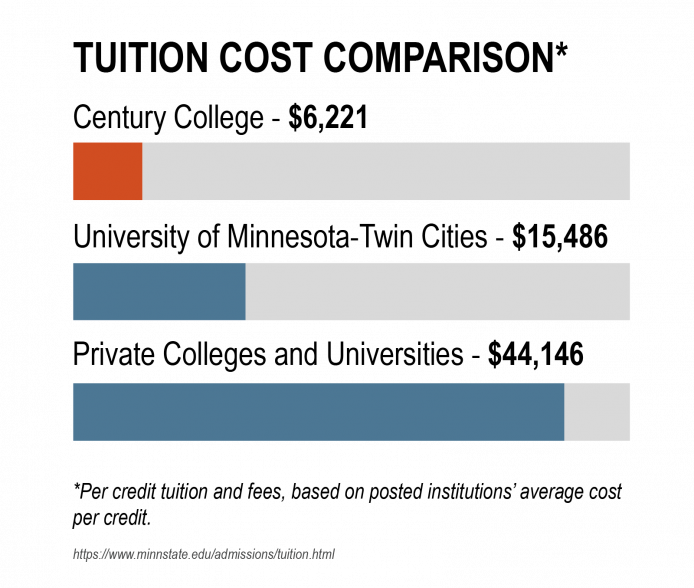
According to data from the National Center for Education Statistics (NCES) and aggregated university disclosures:
- Public online bachelor’s degrees (in-state):
roughly $300–$450 per credit hour - Public online bachelor’s degrees (out-of-state):
$450–$700 per credit hour - Private online degrees:
$500–$1,000+ per credit hour
For a typical 120-credit bachelor’s degree, tuition alone often falls between:
- $36,000 – $60,000 (public)
- $60,000 – $120,000+ (private)
NCES data confirms that online tuition pricing increasingly mirrors on-campus rates, especially for accredited institutions.
Program Fees and Mandatory Charges (Often Overlooked)
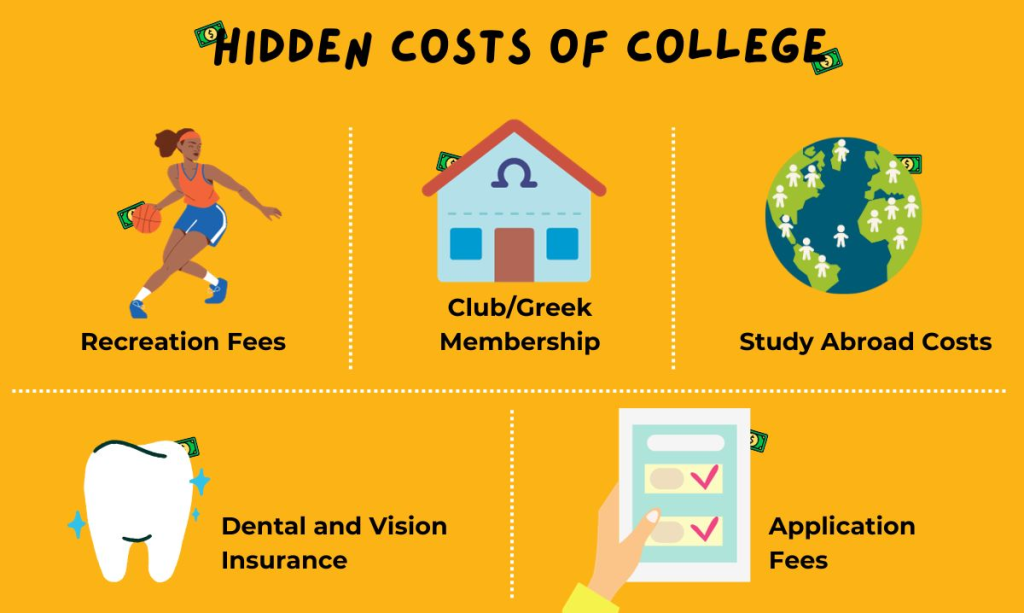
Beyond tuition, many online programs charge additional fees that significantly affect total cost.
Common examples include:
- Technology or platform fees
- Online course delivery fees
- Student services and advising fees
- Graduation and administrative fees
Based on institutional disclosures reviewed by NCES and state higher education agencies, these fees typically add:
- $1,500 – $5,000+ over the life of a degree
This is one reason cost estimates that focus only on per-credit tuition are often misleading.
For a deeper look at cost risk, see
Hidden Costs of Online Degrees Most Adults Overlook (upcoming).
Books, Materials, and Software

Even in fully online programs, learning materials are rarely free.
Adult learners should budget for:
- Digital textbooks and course packs
- Specialized software (analytics tools, design tools, labs)
- Exam proctoring services
According to surveys summarized by College Board and higher education cost studies, materials typically cost:
- $800 – $1,500 per year
Some programs include materials in tuition, but many do not—always verify this upfront.
The Biggest Hidden Cost: Opportunity Cost

For working adults, the most significant cost is often not listed on any invoice.
Opportunity cost includes:
- Reduced work hours
- Missed promotions
- Slower career mobility during study
Research cited by Georgetown University’s Center on Education and the Workforce shows that adults pursuing degrees part-time often experience short-term earnings stagnation, even when long-term outcomes improve.
This cost varies widely by individual, but it is a real factor in ROI calculations.
Total Cost Ranges: What Adults Should Expect
Putting all components together, a realistic all-in cost estimate for an online degree in the U.S. looks like this:
- Public institution (in-state):
$40,000 – $70,000 - Public institution (out-of-state):
$55,000 – $90,000 - Private institution:
$70,000 – $130,000+
These ranges align with NCES and College Board estimates when tuition, fees, and materials are combined.
How Employer Tuition Reimbursement Changes the Math
Many adult learners reduce cost through employer support.
According to U.S. Department of Labor and employer benefits surveys:
- Tuition reimbursement commonly ranges from $5,250 per year (IRS tax-free threshold)
- Some employers offer higher caps for degree-aligned roles
However, reimbursement often:
- Requires upfront payment
- Comes with retention clauses
Before enrolling, review eligibility rules carefully.
Is the Cost Worth It? (ROI Perspective)
Cost alone is not the decision—return on investment is.
According to long-term earnings analysis by Georgetown CEW:
- Degree holders generally experience lower unemployment volatility
- Earnings premiums vary widely by field, not just degree level
This is why cost analysis must be paired with field selection and career strategy.
For context, compare:
- Online Degree vs Professional Certification: Which Pays Off Faster?
- Online Degree vs Bootcamp: Which Is Safer for Career Changers?
How to Estimate Your Personal Degree Cost
Before enrolling, adult learners should answer four questions:
- Is my tuition rate locked or variable?
- What fees apply across the entire program?
- How much income flexibility will I lose?
- Does this degree remove real career ceilings?
A degree that looks “expensive” on paper may still be cheaper than years of stalled career growth.
Final Takeaway
In 2026, the cost of an online degree in the U.S. is rarely cheap—but it is also rarely just tuition.
For adult learners, the real cost includes:
- Tuition and fees
- Materials and tools
- Time and career opportunity cost
The safest decisions are made when cost is evaluated alongside risk, field demand, and long-term ROI, not in isolation.
