
How Adults Can Reduce Career Risk While Reskilling
For adults planning a career transition, the real challenge is not choosing what sounds best, but deciding what order minimizes risk.
Should you:
- Commit to a full degree first?
- Or test the waters with a professional certification?
This article presents a 12-month, risk-aware transition framework to help adult learners decide degree first vs certification first, based on cost exposure, employability signals, and long-term ROI.
Understanding the Two Paths

What Does “Degree First” Mean?
A degree-first path involves enrolling in an accredited online bachelor’s or master’s program before pursuing additional credentials.
According to the U.S. Bureau of Labor Statistics (BLS) and Georgetown University Center on Education and the Workforce, degree holders retain broader eligibility across roles, industries, and promotion tracks—especially for mid-career transitions.
Advantages
- Strong employer recognition
- Long-term credential durability
- Eligibility for regulated or managerial roles
Risks

What Does “Certification First” Mean?
A certification-first path focuses on short-term, skill-specific credentials—often completed in weeks or months.
OECD skills research consistently shows certifications can accelerate entry into technical roles, but their value depends heavily on industry alignment and employer recognition.
Advantages
- Lower initial cost
- Faster skill validation
- Easier to stop or pivot
Risks
- Narrow scope
- Limited signaling power without experience or a degree
Degree First vs Certification First: The Risk Comparison
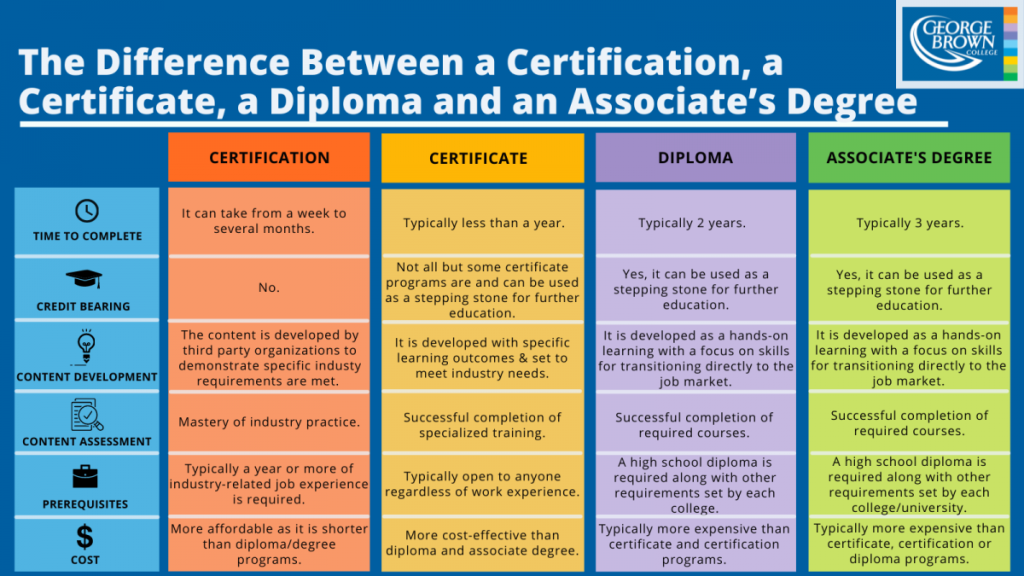
| Factor | Degree First | Certification First |
|---|---|---|
| Upfront cost | High | Low |
| Credential durability | High | Medium–Low |
| Employer filtering | Strong | Variable |
| Flexibility to pivot | Medium | High |
| Long-term ROI stability | High | Uncertain |
Key insight:
Certifications reduce short-term risk.
Degrees reduce long-term risk.
A Practical 12-Month Transition Plan (Low-Regret Approach)
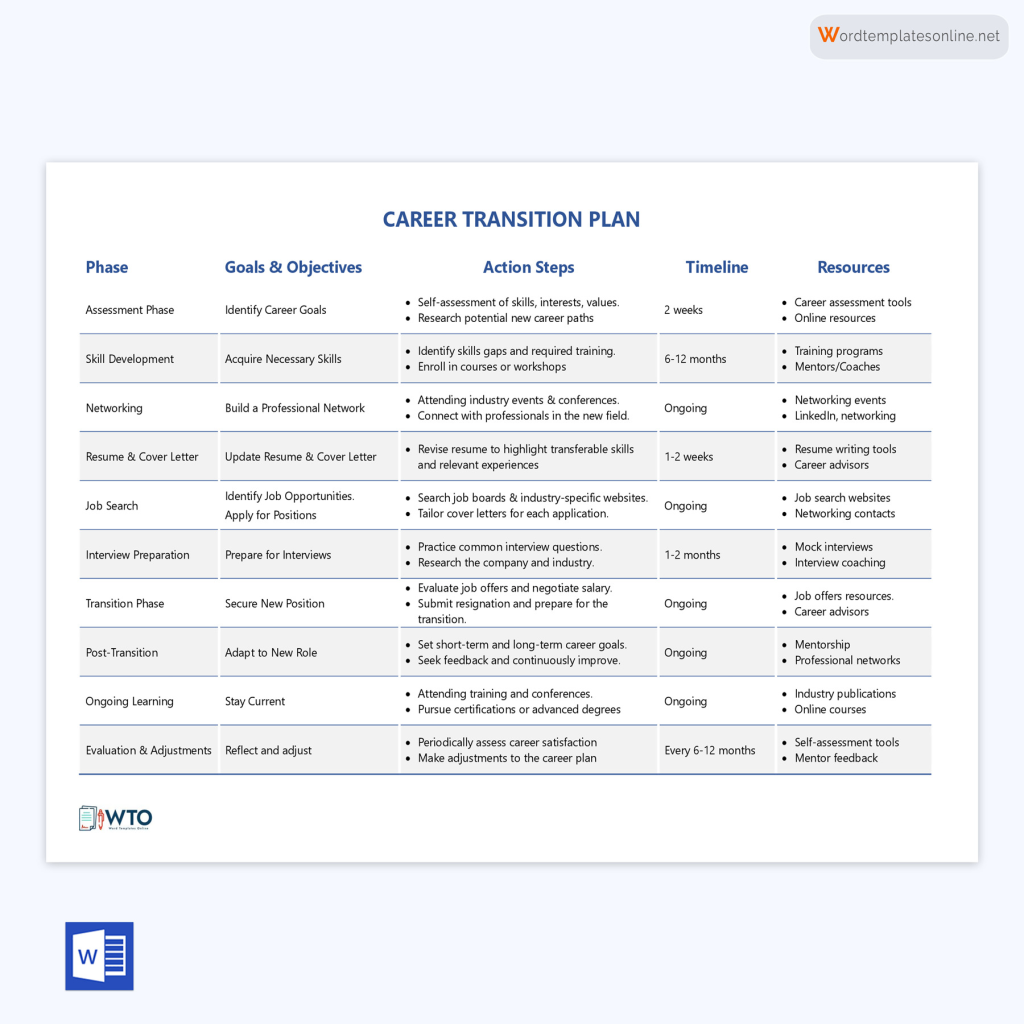
Based on adult workforce studies summarized by OECD and World Bank, the safest strategy for most career changers is sequencing, not choosing one exclusively.
Months 1–3: Skill Testing Phase
- Complete one industry-recognized certification
- Validate interest, aptitude, and job demand
- Keep financial exposure minimal
This phase answers:
“Can I realistically perform in this field?”
Months 4–6: Market Validation Phase
- Apply certification skills to real projects
- Monitor employer responses and interview feedback
- Identify degree requirements appearing repeatedly in job listings
Data from BLS Occupational Outlook suggests degree requirements often emerge clearly at this stage.
Months 7–12: Credential Commitment Phase
- Enroll in an online degree only if:
- Job ceilings are visible without it
- Employers explicitly require it
- ROI remains acceptable relative to income goals
This staged approach preserves flexibility while building credibility.
When Degree First Makes More Sense

Degree-first paths are usually safer when:
- Target roles are regulated (healthcare, education, management)
- Career change involves industry switching, not skill upgrading
- Long-term advancement matters more than speed
Georgetown CEW analysis shows degree holders experience lower unemployment volatility over economic cycles.
When Certification First Is Smarter
Certification-first paths can work when:
- You already hold a degree in any field
- Target roles are skill-validated (IT, data, cloud, cybersecurity)
- Employers prioritize portfolios or exams over academic credentials
However, OECD cautions that certifications alone may plateau without broader credentials.
Common Mistakes Adults Make
Research on adult reskilling highlights recurring issues:
- Treating certifications as substitutes for degrees
- Committing to degrees without market validation
- Underestimating employer screening filters
- Ignoring long-term career ceilings
A structured sequence avoids most of these traps.
Final Recommendation
For most adult career changers, the lowest-risk strategy is:
Certification first for validation,
Degree later for durability.
This approach balances speed with stability and aligns with long-term employability trends observed across OECD economies.
