Editorial Team

Articles published by the Flare Creations editorial team focus on educational insights, learning research, and informational content. All content is created for educational and informational purposes only, based on publicly available research and sources.

Author Archive by Blog

Why Re-Reading Doesn’t Work: What Cognitive Science Says About Effective Learning

Introduction

Re-reading textbooks and notes is one of the most common study strategies used by students worldwide. It feels productive, familiar, and low-effort. Many learners assume that repeated exposure to information naturally leads to better understanding and memory.

However, decades of research in cognitive psychology suggest otherwise. While re-reading can increase short-term familiarity, it is one of the least effective strategies for long-term learning and knowledge retention.

This article explains why re-reading feels helpful but often fails, what cognitive science reveals about how memory actually works, and which evidence-based strategies are far more effective for durable learning.

Why Re-Reading Feels Effective (But Isn’t)
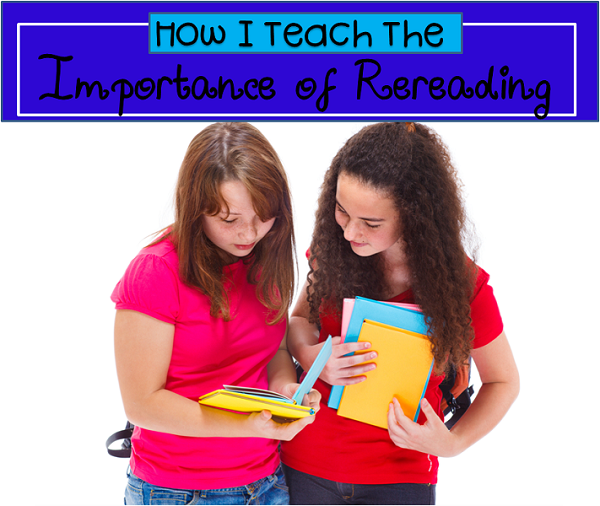
Re-reading creates a sense of fluency. As the material becomes more familiar, the brain interprets this ease as understanding. Psychologists call this phenomenon the illusion of competence.

In reality:

  • Familiarity ≠ mastery
  • Recognition ≠ recall
  • Ease of reading ≠ ability to retrieve information later

When students re-read, they often confuse recognition (“This looks familiar”) with retrieval (“I can recall this without help”). Exams, problem-solving, and real-world application all depend on retrieval—not recognition.

What Research Says About Re-Reading

A landmark review by Dunlosky et al. (2013), published in Psychological Science in the Public Interest, evaluated ten popular learning strategies. Re-reading ranked low in effectiveness, especially for long-term retention.

Key findings include:

  • Re-reading produces minimal gains beyond the first pass
  • Benefits are short-lived and fade quickly
  • It does not improve transfer of knowledge to new contexts

In contrast, strategies that require active mental effort consistently outperform passive review methods.

The Core Problem: Re-Reading Avoids Retrieval
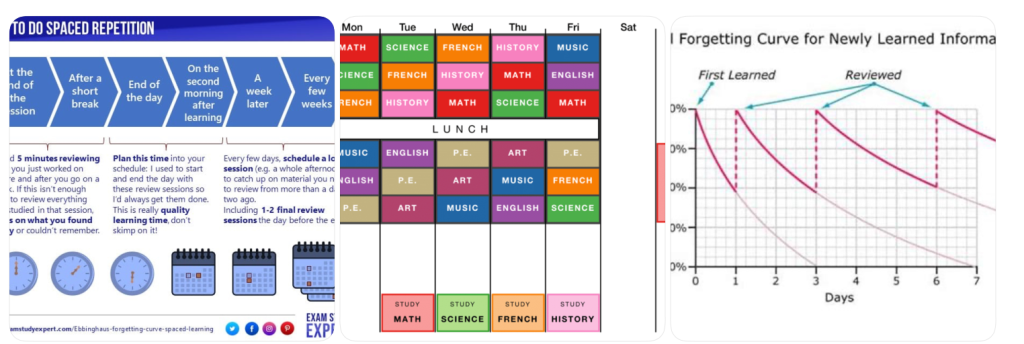
Forgetting curve showing how information learned through cramming is rapidly forgotten over time.

Memory strengthens when it is retrieved, not when it is passively observed.

Re-reading allows learners to:

  • Keep answers visible
  • Avoid errors
  • Avoid mental struggle

But cognitive science shows that struggle is not a bug—it’s a feature. The effort involved in pulling information from memory is what reinforces neural pathways.

This is known as the testing effect: attempting to recall information improves learning more than additional study.

Why Highlighting and Re-Reading Often Go Together

Highlighting frequently accompanies re-reading, yet research shows similar limitations.

Common issues include:

  • Over-highlighting without discrimination
  • Passive engagement with text
  • No requirement to generate or explain ideas

Unless highlighting is followed by active processing (such as summarizing or self-testing), it rarely improves understanding or retention.

Evidence-Based Alternatives That Work Better

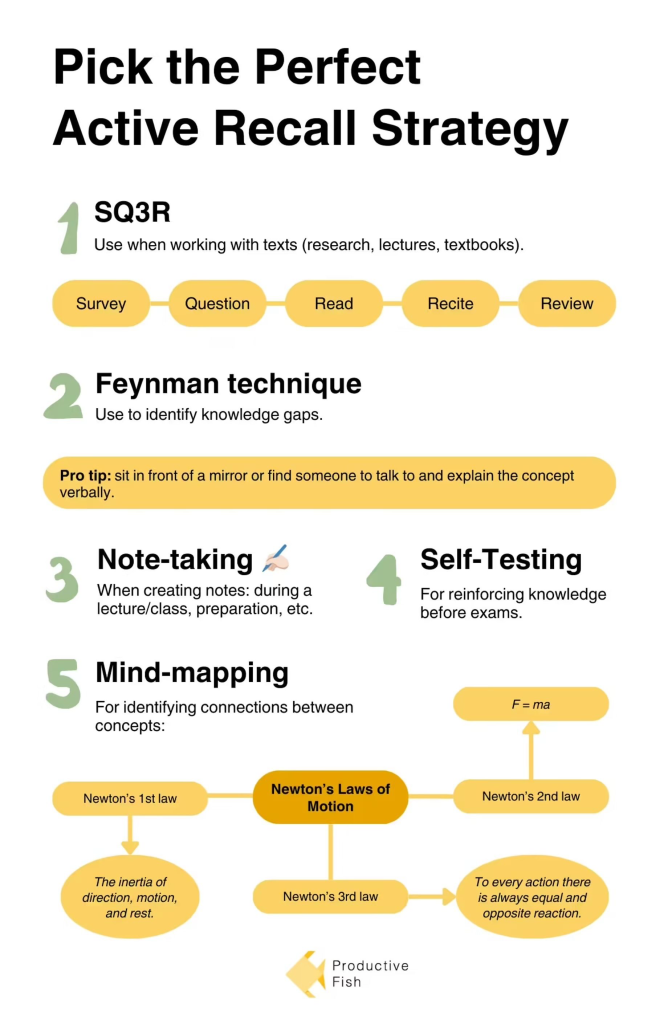
1. Retrieval Practice
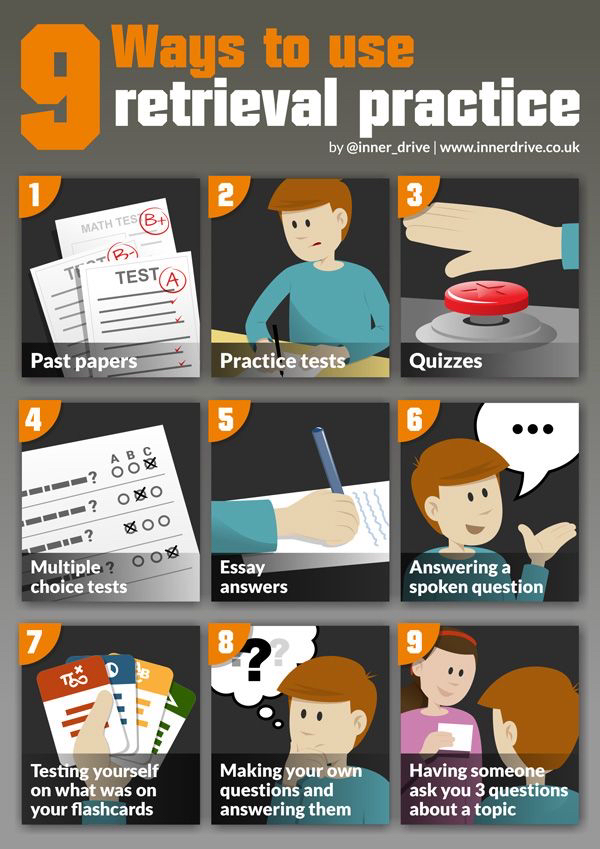
Diagram illustrating evidence-based study strategies such as spaced repetition and active recall.

Instead of re-reading, learners should regularly ask:

  • “What can I remember without looking?”
  • “Can I explain this in my own words?”

Effective retrieval methods include:

  • Practice questions
  • Flashcards
  • Writing brief summaries from memory

Even incorrect attempts strengthen learning by revealing gaps.

Diagram illustrating evidence-based study strategies such as spaced repetition and active recall.

2. Spaced Practice

Spreading study sessions over time dramatically improves retention compared to massed study (cramming or repeated re-reading).

Spaced practice works because it:

  • Forces repeated retrieval
  • Introduces desirable difficulty
  • Prevents overconfidence

This approach aligns with how memory consolidates over time.

3. Elaboration and Explanation

Learners retain more when they actively connect new information to existing knowledge.

Examples include:

  • Explaining concepts as if teaching someone else
  • Creating analogies
  • Asking “why” and “how” questions

These strategies deepen understanding and improve transfer to new problems.

When Re-Reading Can Still Be Useful

Re-reading is not entirely useless. It can help when:

  • Introducing completely new material
  • Clarifying confusing sections
  • Reviewing structure before active practice

However, it should serve as a preparation step, not the primary study strategy.

Practical Study Framework (Research-Aligned)

A more effective approach looks like this:

  1. Initial exposure – Read once for comprehension
  2. Active recall – Close the material and retrieve key ideas
  3. Feedback – Check accuracy and fill gaps
  4. Spacing – Revisit after time has passed

This cycle aligns with how learning actually occurs.

Conclusion

Re-reading feels productive because it is easy and familiar—but learning is not built on ease. Cognitive science consistently shows that active, effortful strategies outperform passive review for long-term retention and understanding.

Students who replace excessive re-reading with retrieval practice, spacing, and explanation learn more efficiently and retain knowledge longer.

Effective learning is not about spending more time—it’s about using strategies that work with the brain, not against it.

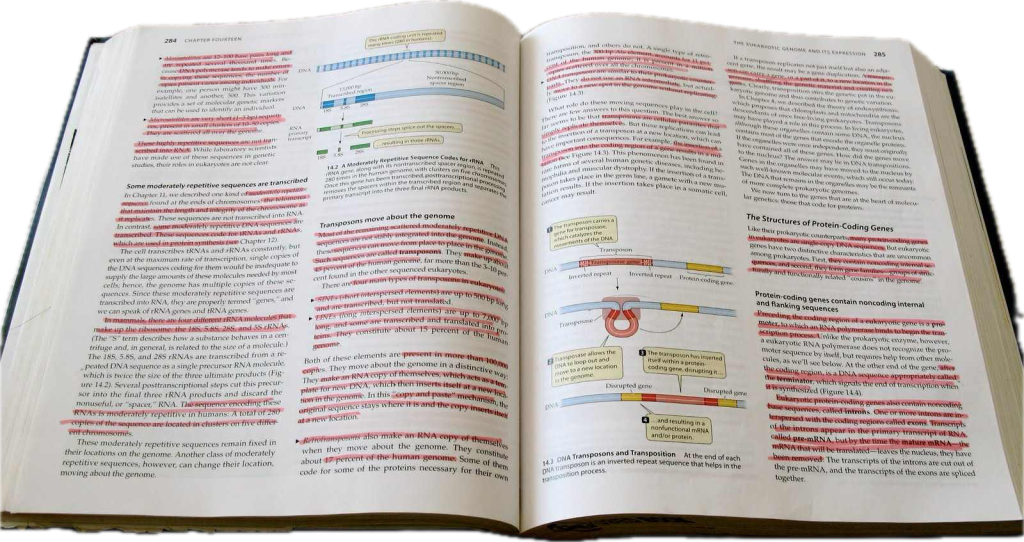
Why Re-Reading and Highlighting Fail: The Cognitive Mechanisms Behind Ineffective Studying

Introduction

Re-reading and highlighting remain two of the most widely used study strategies across schools and universities. They are simple, familiar, and feel productive.

However, large-scale reviews in cognitive science consistently show that these methods produce weak long-term retention and poor knowledge transfer. More importantly, they fail for predictable cognitive reasons.

This article goes beyond surface-level advice and explains how memory encoding, retrieval, and illusion of competence interact, using findings from experimental psychology and neuroscience.

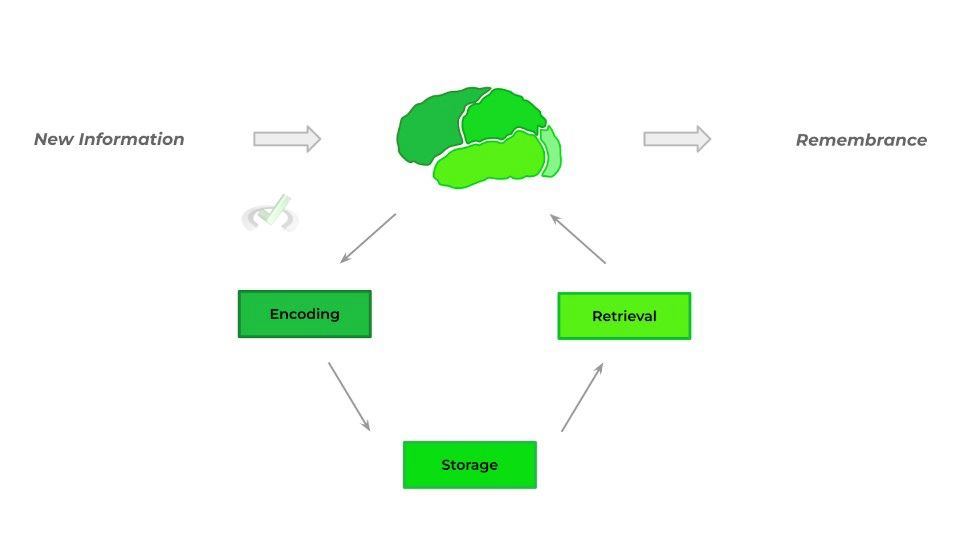
How Memory Is Actually Formed: Encoding vs. Retrieval

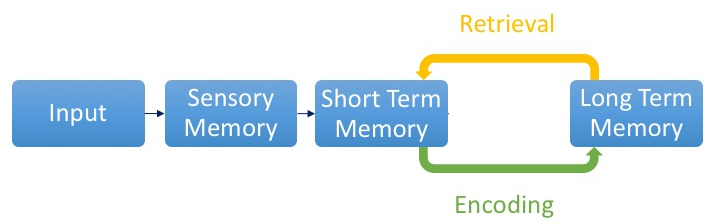
To understand why re-reading fails, we must distinguish between encoding strength and retrieval strength.

Psychologist Robert Bjork proposed that learning involves two separate processes:

  • Encoding: How information is stored
  • Retrieval: How easily information can be accessed later

Re-reading primarily increases perceptual fluency but does very little to strengthen retrieval pathways.

This is why students often say:

“I understand it when I look at it, but I can’t recall it during exams.”

The Fluency Trap: Why Familiarity Is Misleading

When learners re-read material, neural processing becomes faster and smoother. This creates a sense of mastery — a phenomenon known as fluency illusion.

However, brain imaging studies show that fluency reflects reduced cognitive effort, not deeper learning.

In short:

  • The brain mistakes ease for mastery
  • Familiar text feels “known” but remains fragile in memory

Why Highlighting Rarely Improves Learning

Highlighting fails for a structural reason:

It does not require generative processing.

Most learners highlight:

  • Without deciding why something is important
  • Without reprocessing highlighted content later

Experimental studies show that excessive highlighting can even reduce comprehension, as it encourages surface scanning instead of meaning construction.

memory encoding vs retrieval learning science

Experimental Evidence: What the Data Shows

In the influential meta-analysis by Dunlosky et al. (2013):

  • Re-reading and highlighting ranked among the lowest-performing strategies
  • Retrieval practice and spaced learning produced significantly higher retention gains

Participants who used retrieval-based methods consistently outperformed those who relied on passive review — even when total study time was lower.

Why Ineffective Strategies Persist

These methods survive because they satisfy three psychological biases:

  1. Effort avoidance – The brain prefers low-cost strategies
  2. Immediate confidence – Fluency feels reassuring
  3. Poor metacognition – Learners misjudge what causes learning

Ironically, strategies that feel harder are usually the ones that work.

What Works Better: Mechanism-Based Alternatives

Effective strategies share one principle:

They force the brain to reconstruct information.

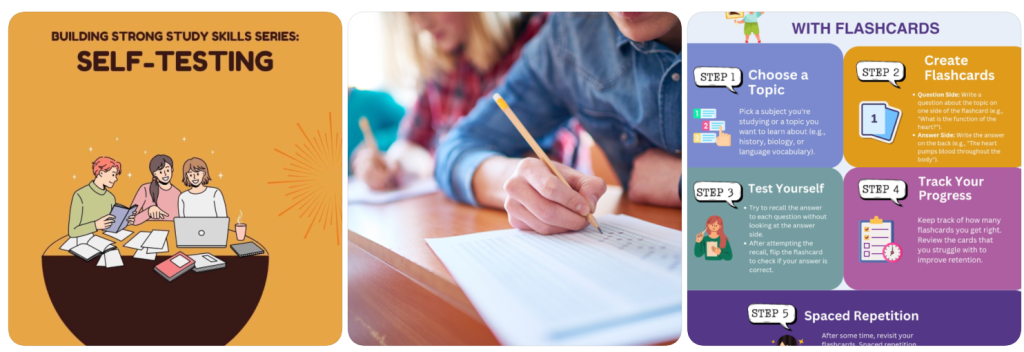
Retrieval Practice

Actively recalling material strengthens retrieval routes and exposes gaps.

Spaced Learning

Time gaps introduce forgetting, which paradoxically strengthens memory reconsolidation.

Elaboration

Explaining why and how integrates new knowledge with existing schemas.

retrieval practice effective learning strategy

Conclusion

Re-reading and highlighting fail not because students use them incorrectly, but because they rely on the wrong cognitive mechanisms.

Learning is not reinforced by exposure, but by reconstruction. Understanding this distinction allows learners to replace comforting habits with strategies that produce durable knowledge.

References

  • Dunlosky, J., et al. (2013). Psychological Science in the Public Interest
  • Bjork, R. A. (2011). Desirable Difficulties in Learning

Why Cramming Doesn’t Work: What Learning Science Reveals About Memory and Retention

Introduction

Many students rely on cramming — studying intensively right before an exam — because it seems efficient. In the short term, this approach can produce quick results, especially when tests focus on recent material.

However, decades of research in cognitive psychology show that cramming is one of the least effective ways to achieve long-term learning. While it may boost short-term performance, it often fails to support durable memory and knowledge transfer.

This article examines why cramming feels effective, how human memory actually works, and what learning science reveals about more effective alternatives.

What Is Cramming?

Student cramming for exams late at night

Cramming refers to massed study, where large amounts of information are reviewed in a short period of time, typically right before an exam.

Common signs of cramming include:

  • Studying for many hours in one session
  • Reviewing material only once
  • Little or no review after the exam
  • Prioritizing speed over understanding

While cramming may feel productive, its effects on memory are largely temporary.

Why Cramming Feels Effective

Cramming works primarily because of short-term memory activation. When information is reviewed repeatedly in a brief window, it remains accessible for a short time.

This creates two powerful illusions:

  1. Fluency illusion – Material feels familiar, leading learners to believe it is well understood.
  2. Performance illusion – Immediate recall is mistaken for long-term learning.

Research shows that performance during study is not a reliable indicator of future retention.

📚 Source:

Soderstrom, N. C., & Bjork, R. A. (2015). Learning Versus Performance. Psychological Science.

How Memory Actually Works

Human memory depends on encoding, consolidation, and retrieval.

  • Encoding: Initial exposure to information
  • Consolidation: Stabilization of memory over time
  • Retrieval: Accessing stored information later

Cramming heavily emphasizes encoding but leaves little time for consolidation. Without sufficient spacing and retrieval, memories remain fragile and are easily forgotten.

The Spacing Effect: Why Time Matters

Student cramming for exams late at night

One of the most robust findings in learning science is the spacing effect.

Research consistently shows that:

  • Information studied over spaced sessions is retained longer
  • Total study time can be the same, yet outcomes differ dramatically
  • Forgetting between sessions actually strengthens learning

📚 Source:

Cepeda, N. J. et al. (2009). Spacing Effects in Learning. Psychological Science.

Cramming eliminates spacing entirely, which explains why knowledge gained through cramming fades quickly.

Cramming vs Spaced Learning: A Comparison

AspectCrammingSpaced Learning
Study timingOne sessionMultiple sessions
RetentionShort-termLong-term
Cognitive effortLow to moderateModerate
Forgetting rateHighLow
Research support

Why Cramming Fails Under Pressure

Under stress — such as exams or real-world application — learners rely on retrieval strength, not familiarity.

Because crammed information has weak retrieval pathways:

  • Recall breaks down under pressure
  • Knowledge cannot be transferred to new contexts
  • Learning feels unstable and unreliable

This explains why students often “blank out” despite extensive last-minute study.

When Cramming Might Appear to Work

It is important to acknowledge that cramming can produce short-term performance gains, particularly when:

  • Exams focus on recognition rather than recall
  • Material will not be needed again
  • Time constraints are extreme

However, research suggests that these gains come at the cost of rapid forgetting and limited understanding.

Evidence-Based Alternatives to Cramming

Student cramming for exams late at night

Learning science identifies several strategies that consistently outperform cramming:

1. Spaced Practice

Review material across days or weeks.

2. Active Recall

Test yourself without notes to strengthen retrieval.

3. Interleaving

Mix related topics instead of studying one topic at a time.

4. Reflection

Identify mistakes and misunderstandings during review.

These strategies may feel slower but lead to more durable learning.

Final Thoughts

Cramming persists because it feels efficient, not because it is effective. Research in cognitive science clearly shows that long-term learning depends on spacing, retrieval, and time.

By shifting away from last-minute study and toward evidence-based learning strategies, students can improve not only exam performance but also long-term understanding and knowledge retention.

References

  • Soderstrom, N. C., & Bjork, R. A. (2015). Psychological Science
  • Cepeda, N. J. et al. (2009). Psychological Science
  • Bjork, R. A. (1994). Memory and Metamemory Considerations

Why Most Study Techniques Fail: What Research Reveals About Effective Learning

Student using ineffective study techniques such as re-reading notes

Introduction

Many students spend years studying yet struggle to retain knowledge or apply what they have learned. Surprisingly, this is not because they lack discipline or intelligence. Research in educational psychology consistently shows that many commonly used study techniques are ineffective, even though they feel productive.

This article examines why popular study methods fail, what research reveals about their limitations, and which evidence-based strategies are proven to support durable learning.

1. Why Familiar Study Methods Feel Effective—but Are Not

Techniques such as re-reading notes, highlighting textbooks, and copying summaries are widely used because they create a sense of familiarity. However, familiarity is often mistaken for understanding.

Cognitive research demonstrates that these techniques rely heavily on recognition, not retrieval. Recognition creates the illusion of mastery, but it does not strengthen long-term memory.

Key finding:

Students often confuse ease of processing with actual learning.

Research source:

Bjork, R. A. (1994). Memory and Metamemory Considerations in the Training of Human Beings.

2. Re-Reading and Highlighting: Low Effort, Low Impact

A comprehensive review by Dunlosky and colleagues evaluated ten popular study strategies used by students. Re-reading and highlighting were classified as low-utility techniques.

Why these methods fail:

  • They require minimal cognitive effort
  • They do not force learners to retrieve information
  • They rarely promote conceptual understanding

While re-reading may be helpful for initial exposure, repeated re-reading shows little benefit for long-term retention.

Research source:

Dunlosky, J. et al. (2013). Improving Students’ Learning With Effective Learning Techniques. Psychological Science in the Public Interest.

3. The Illusion of Competence in Studying

One reason ineffective strategies persist is that learners are poor judges of their own learning. This phenomenon is known as metacognitive miscalibration.

When study feels easy, learners assume it is effective. When study feels difficult, they often assume they are failing—when in fact, difficulty is often a sign of deeper learning.

This explains why:

  • Students prefer passive review
  • Effective strategies feel uncomfortable
  • Poor strategies feel reassuring

Research source:

Bjork, R. A., Dunlosky, J., & Kornell, N. (2013). Self-Regulated Learning: Beliefs, Techniques, and Illusions. Annual Review of Psychology.

4. Why Retrieval Practice Outperforms Passive Review

Retrieval practice requires learners to actively recall information without immediate support. This process strengthens memory pathways and improves future recall.

In experimental studies, students who practiced retrieval:

  • Retained more information after one week
  • Transferred knowledge more effectively
  • Outperformed peers who used repeated study

Importantly, retrieval practice improves learning even when retrieval attempts initially fail.

Research sources:

  • Roediger, H. L., & Karpicke, J. D. (2006). Test-Enhanced Learning.
  • Karpicke, J. D., & Blunt, J. R. (2011). Retrieval Practice Produces More Learning Than Elaborative Studying.
Student using ineffective study techniques such as re-reading notes

5. Spaced Practice: Why Time Matters More Than Repetition

Learning is constrained by biological processes of memory consolidation. When study sessions are spaced apart, the brain has time to stabilize and reorganize memory traces.

Research consistently demonstrates that spacing study sessions over time leads to better retention than massed practice, even when total study time is the same.

Spaced practice is effective because it:

  • Forces repeated retrieval
  • Reduces reliance on short-term memory
  • Strengthens long-term encoding

Research source:

Cepeda, N. J. et al. (2009). Spacing Effects in Learning. Psychological Science.

6. Why “Understanding” Is Not the Same as Learning

Students often believe that understanding a concept during study means it has been learned. However, research shows that performance during study is a poor predictor of long-term retention.

True learning is demonstrated by:

  • Delayed recall
  • Ability to explain concepts independently
  • Transfer to new contexts

This distinction explains why students may feel confident immediately after studying, yet forget material days later.

Research source:

Soderstrom, N. C., & Bjork, R. A. (2015). Learning Versus Performance. Psychological Science.

7. What Effective Study Strategies Have in Common

Across decades of research, effective learning strategies share several characteristics:

  • They require active retrieval
  • They introduce desirable difficulty
  • They space practice over time
  • They challenge learners to generate answers

These strategies may feel slower and less comfortable, but they consistently produce stronger and more durable learning outcomes.

Student using ineffective study techniques such as re-reading notes

Conclusion

Most study techniques fail not because learners are careless, but because human intuition about learning is flawed. Research clearly shows that strategies producing quick feelings of progress often result in weak retention.

By replacing passive review with retrieval-based, spaced, and cognitively demanding strategies, learners can align their study habits with how memory actually works—leading to more effective and lasting learning.

References (Selected)

  • Bjork, R. A. (1994). Memory and Metamemory.
  • Dunlosky, J. et al. (2013). Psychological Science in the Public Interest.
  • Bjork, Dunlosky & Kornell (2013). Annual Review of Psychology.
  • Roediger & Karpicke (2006). Psychological Science.
  • Karpicke & Blunt (2011). Journal of Educational Psychology.
  • Cepeda et al. (2009). Psychological Science.
  • Soderstrom & Bjork (2015). Psychological Science.

How to Build Effective Study Habits: Evidence-Based Strategies That Actually Work

How Learning Really Works: A Research-Based Guide to Studying More Effectively

Student using active recall study techniques

Research in cognitive science and educational psychology has identified clear principles that explain how people learn, retain, and apply knowledge. This article synthesizes well-established research findings to explain how learning works and how students and lifelong learners can study more effectively.

1. Learning Is an Active Cognitive Process, Not Passive Information Intake

A common misconception is that learning happens when information is read, heard, or watched. In reality, learning only occurs when information is actively processed, organized, and integrated into existing knowledge structures.

According to memory research, learning involves three essential stages:

  • Encoding – transforming information into meaningful mental representations
  • Storage – stabilizing information in long-term memory
  • Retrieval – accessing and using stored knowledge

If learners do not actively engage in these processes, information remains short-lived and easily forgotten.

Research source:

Baddeley, A. (1997). Human Memory: Theory and Practice.

2. Working Memory Limits Explain Why Studying Feels Difficult

Human working memory—the mental space used to process information—is extremely limited. Early research by George Miller suggested a capacity of seven items, but later studies refined this to approximately four meaningful units, especially for unfamiliar material.

This limitation explains why:

  • Long lectures overload attention
  • Dense textbooks feel overwhelming
  • Multitasking reduces comprehension

Effective learning strategies must therefore reduce unnecessary mental load and present information in manageable segments.

Research sources:

  • Miller, G. A. (1956). The Magical Number Seven, Plus or Minus Two
  • Cowan, N. (2001). The Magical Number 4 in Short-Term Memory

3. Cognitive Load Theory: Why More Effort Does Not Always Mean Better Learning

Cognitive Load Theory distinguishes between three types of mental load:

  • Intrinsic load – the inherent complexity of the topic
  • Extraneous load – unnecessary difficulty caused by poor presentation
  • Germane load – mental effort that supports learning

Studies show that learning improves when extraneous load is minimized, allowing learners to focus their mental resources on meaningful understanding.

Examples of excessive extraneous load include:

  • Overly complex slides
  • Redundant explanations
  • Decorative but distracting visuals

Research source:

Sweller, J. (1988). Cognitive Load During Problem Solving. Cognitive Science.

4. Why Retrieval Practice Is More Effective Than Re-Reading

Repeated reading creates familiarity, but familiarity should not be mistaken for learning. Decades of research demonstrate that retrieval practice—actively recalling information—produces stronger and longer-lasting learning.

In controlled experiments, students who practiced retrieval retained significantly more information weeks later than those who simply reviewed the material.

Effective retrieval-based strategies include:

  • Self-testing without notes
  • Writing summaries from memory
  • Explaining concepts aloud

Research sources:

  • Roediger, H. L., & Karpicke, J. D. (2006). Test-Enhanced Learning.
  • Dunlosky, J. et al. (2013). Improving Students’ Learning With Effective Learning Techniques.
Student using active recall study techniques

5. Spaced Learning Aligns With How Memory Consolidates

Memory consolidation is a biological process that unfolds over time. Neural changes associated with learning require intervals of rest to stabilize.

Spaced practice takes advantage of this process by distributing study sessions over days or weeks. Meta-analyses covering hundreds of studies consistently show that spaced learning outperforms cramming across age groups and subject areas.

Research source:

Cepeda, N. J. et al. (2006). Distributed Practice in Verbal Recall Tasks. Psychological Bulletin.

6. Prior Knowledge Strongly Influences New Learning

Learning is cumulative. New information is interpreted through existing mental frameworks known as schemas. Learners with stronger prior knowledge acquire new concepts more efficiently and transfer knowledge more effectively.

This explains why identical instruction can produce different learning outcomes across individuals.

Educational implication:

Assessing and activating prior knowledge is essential for effective learning.

Research source:

OECD (2010). The Nature of Learning: Using Research to Inspire Practice.

7. Motivation Affects Persistence, Not Learning Mechanisms

Motivation influences how long learners persist, but it does not replace effective learning strategies. Highly motivated students can still learn inefficiently if they rely on ineffective study methods.

Research shows that instructional design and cognitive alignment matter more than motivation alone.

Research source:

Kirschner, P. A., Sweller, J., & Clark, R. E. (2006). Why Minimal Guidance During Instruction Does Not Work.

8. Practical Implications for Students and Lifelong Learners

Research-based learning environments share several characteristics:

  • Information is structured and sequenced
  • Cognitive load is carefully managed
  • Retrieval is emphasized over repetition
  • Learning is spaced over time
  • Prior knowledge is explicitly addressed

These principles apply equally to formal education, self-directed learning, and lifelong learning.

Student using active recall study techniques

Conclusion

Learning is not determined by talent or effort alone. It is governed by cognitive mechanisms that can either support or hinder understanding. Study strategies aligned with these mechanisms consistently outperform those that are not.

By understanding how learning works, students and lifelong learners can make informed decisions that lead to deeper understanding and more durable knowledge.

References (Selected)

  • Baddeley, A. (1997). Human Memory. Psychology Press.
  • Miller, G. A. (1956). Psychological Review.
  • Cowan, N. (2001). Behavioral and Brain Sciences.
  • Sweller, J. (1988). Cognitive Science.
  • Roediger & Karpicke (2006). Psychological Science.
  • Dunlosky et al. (2013). Psychological Science in the Public Interest.
  • Cepeda et al. (2006). Psychological Bulletin.
  • OECD (2010). The Nature of Learning.