
The Real Financial Risks Adult Learners Face
When adults ask how much an online degree costs, they usually focus on tuition.
But for many learners, the biggest financial damage does not come from tuition at all.
It comes from hidden, indirect, and poorly disclosed costs that only become visible after enrollment.
This guide breaks down the most commonly overlooked costs of online degrees in the U.S., based on higher-education research, workforce data, and adult learner outcomes—so you can assess real risk before committing.
1. Credit Transfer Loss (Paying Twice for the Same Education)
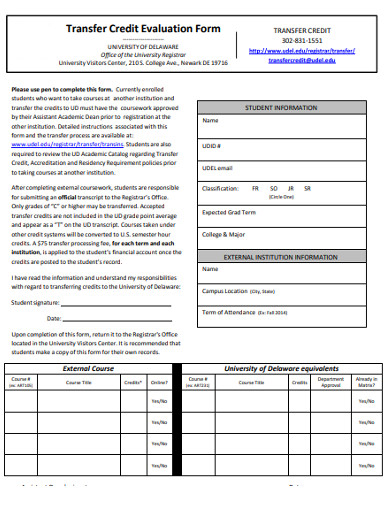
Many adult learners enter online programs with prior college credits, certificates, or training.
However, credit transfer policies vary widely.
According to analyses summarized by the U.S. Government Accountability Office (GAO) and institutional reporting reviewed by NCES, a significant portion of transferred credits are often:
- Partially accepted
- Reclassified as electives
- Rejected entirely
Each rejected credit means you pay again—both in tuition and time.
Risk indicator:
If a program does not provide a written transfer credit evaluation before enrollment, expect cost inflation.
2. Extended Time-to-Degree (The Silent Cost Multiplier)
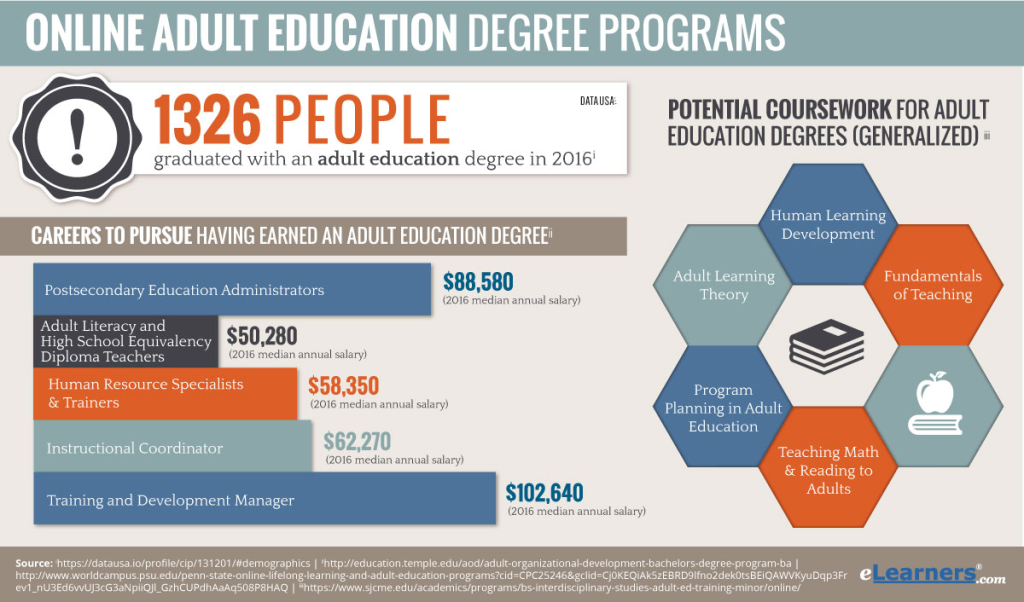
Most online degrees are marketed with “accelerated” timelines.
In practice, adult learners often take longer.
Data cited by NCES shows that part-time and working students frequently exceed standard completion timelines due to:
- Work schedule changes
- Family obligations
- Course sequencing bottlenecks
Each additional term adds:
- Tuition
- Fees
- Opportunity cost
A degree that appears affordable on paper can become 30–50% more expensive when stretched over time.
3. Opportunity Cost: The Cost That Never Appears on a Bill

For working adults, opportunity cost is often the largest hidden expense.
Research synthesized by Georgetown University’s Center on Education and the Workforce indicates that adult learners frequently experience:
- Slower wage growth during study
- Reduced availability for promotions
- Delayed job mobility
This does not mean degrees are a bad investment—but it does mean timing matters.
For comparison, see
Online Degree ROI vs Staying in the Same Job (upcoming).
4. Technology and Software Requirements
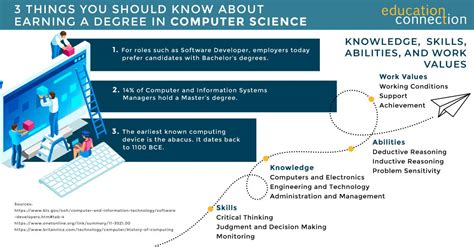
Online programs often assume students already have:
- A modern computer
- High-speed internet
- Specialized software
However, disclosures reviewed by NCES and institutional catalogs show that many programs require additional tools such as:
- Proctored exam software
- Industry-specific applications
- Paid lab platforms
These costs may seem small individually, but over several years they add up—especially for low-margin career transitions.
5. Program and Administrative Fees
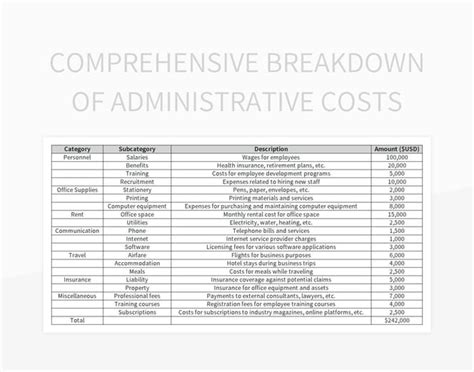
Beyond tuition, many institutions charge:
- Technology fees
- Online learning fees
- Student service fees
- Graduation fees
According to NCES and state higher education agency reporting, these fees can total thousands of dollars across a full program.
Unlike tuition, these charges are often:
- Non-negotiable
- Not covered by employer reimbursement
6. Employer Reimbursement Clawbacks
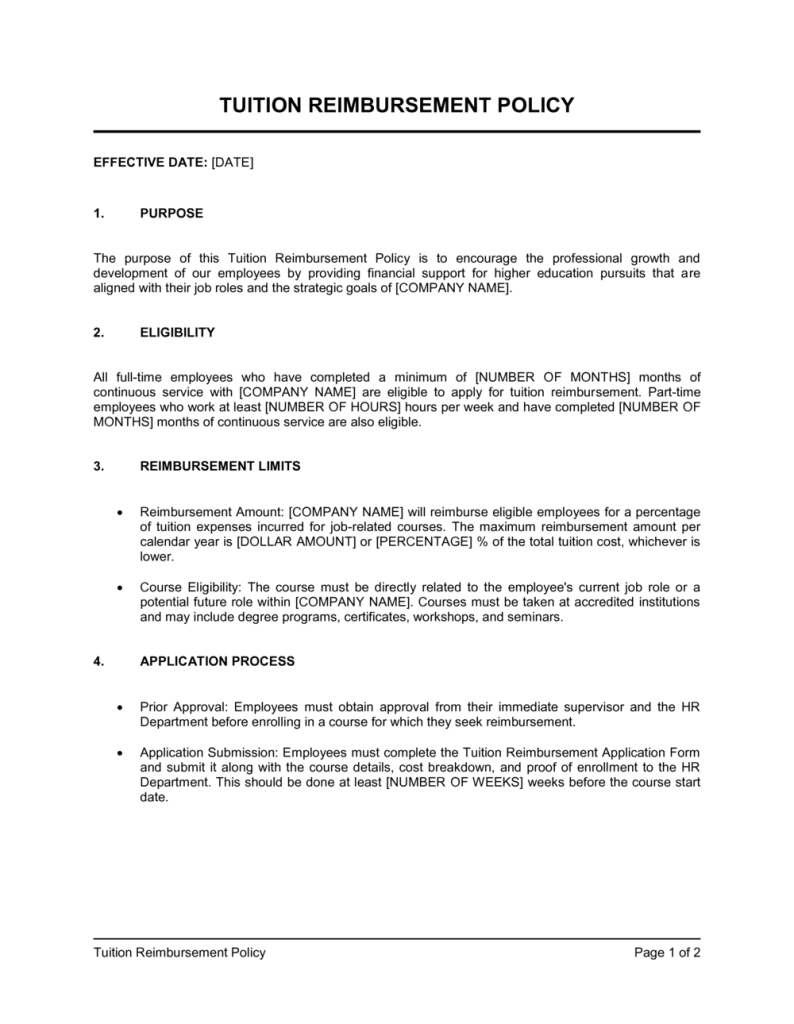
Employer tuition assistance can reduce cost—but it can also increase risk.
U.S. Department of Labor–referenced benefits surveys show that many reimbursement programs include:
- Repayment obligations if you leave early
- Role alignment requirements
- Performance conditions
If your career change involves switching employers, reimbursement terms may become liabilities rather than benefits.
7. Psychological and Burnout Costs (Yes, They Matter)
Adult education research consistently highlights burnout as a major contributor to:
- Extended completion times
- Program withdrawal
- Financial loss
OECD adult learning studies note that dropout risk increases sharply when learners underestimate workload alongside full-time work.
Burnout often converts sunk costs into unrecoverable costs.
How Hidden Costs Change the ROI Equation
When hidden costs are included, the question shifts from:
“Is this degree affordable?”
to:
“Is this degree resilient if my situation changes?”
This is why cost analysis must be paired with risk evaluation.
For broader comparisons, see:
- Online Degree vs Bootcamp: Which Is Safer for Career Changers?
- Degree First or Certification First: A 12-Month Career Transition Plan
- Online Degree vs Professional Certification: Which Pays Off Faster?
How to Reduce Hidden Cost Risk (Practical Checklist)
Before enrolling, adult learners should confirm:
- Written credit transfer evaluations
- Maximum allowed completion time
- Total fee disclosures (not just tuition)
- Technology and software requirements
- Employer reimbursement exit clauses
Programs that resist transparency usually create the highest downstream costs.
Final Takeaway
The true cost of an online degree is rarely visible upfront.
For adult learners in 2026, hidden costs—not tuition—often determine whether an online degree becomes a strategic investment or a financial burden.
The safest choices are not the cheapest programs, but the ones that remain viable when life does not go according to plan.
