
High-ROI Degree Options for Adults Switching Careers
Career change in adulthood is no longer an exception—it is becoming the norm.
According to labor market research from the U.S. Bureau of Labor Statistics (BLS) and workforce studies cited by OECD and Georgetown University’s Center on Education and the Workforce, most workers are expected to change roles or fields multiple times over their careers. As a result, adults are increasingly turning to online degrees to reposition their skills without exiting the workforce.
This 2026 guide reviews the best online degree fields for career changers, based on employability, time-to-ROI, and long-term career resilience, not rankings or brand prestige.
Why Online Degrees Make Sense for Career Changers

Research from the National Center for Education Statistics (NCES) shows that adult learners now make up a significant share of online degree enrollments in the United States. The reasons are practical rather than academic.
Online degrees reduce three major risks identified in adult education studies:
- Income disruption – learners can remain employed
- Geographic constraints – no relocation required
- Scheduling rigidity – flexible pacing around work and family
From a career-transition perspective, online degrees function as risk-managed reskilling tools, not just academic credentials.
For adults deciding between degrees and faster alternatives, see
Online Degree vs Professional Certification: Which Pays Off Faster?
How We Defined “Best” for Career Changers (Methodology)
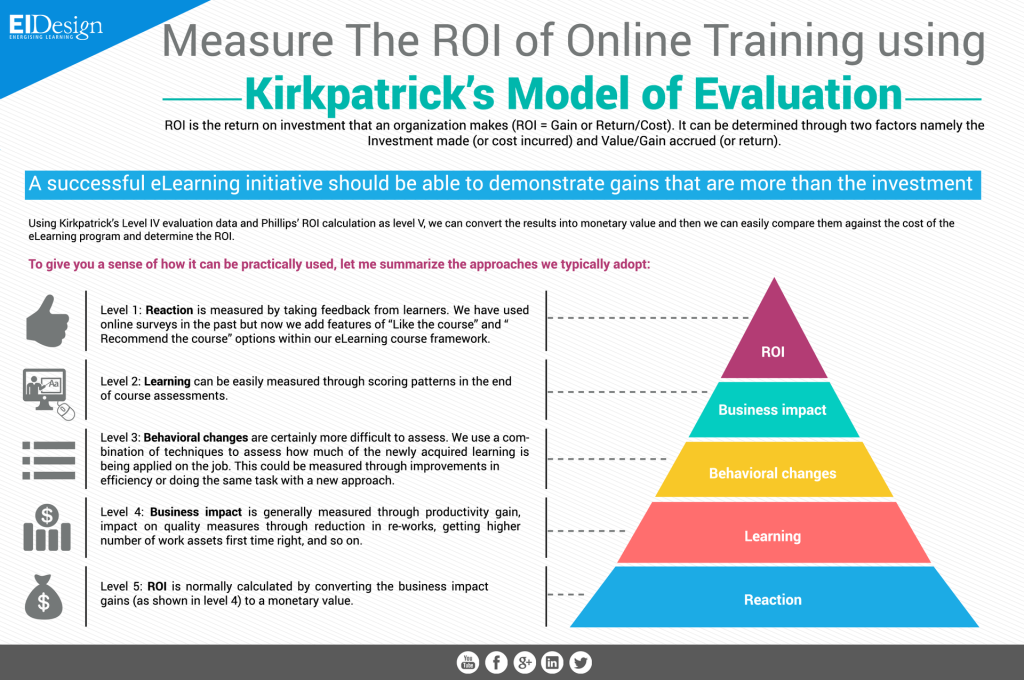
This guide uses a practical ROI framework, informed by:
- BLS Occupational Outlook Handbook (labor demand trends)
- OECD Skills Outlook (transferable skills and reskilling)
- World Bank and UNESCO adult learning research
Degrees were evaluated on four criteria:
- Time to employability
How quickly graduates qualify for entry or transition roles. - Labor market demand
Consistent demand across multiple industries (per BLS outlooks). - Skill transferability
Applicability beyond a single job title. - Cost-to-ROI balance
Realistic break-even timelines based on adult learner profiles.
Fields with narrow, declining, or highly volatile demand were excluded.
Best Online Degree Fields for Career Changers (2026)
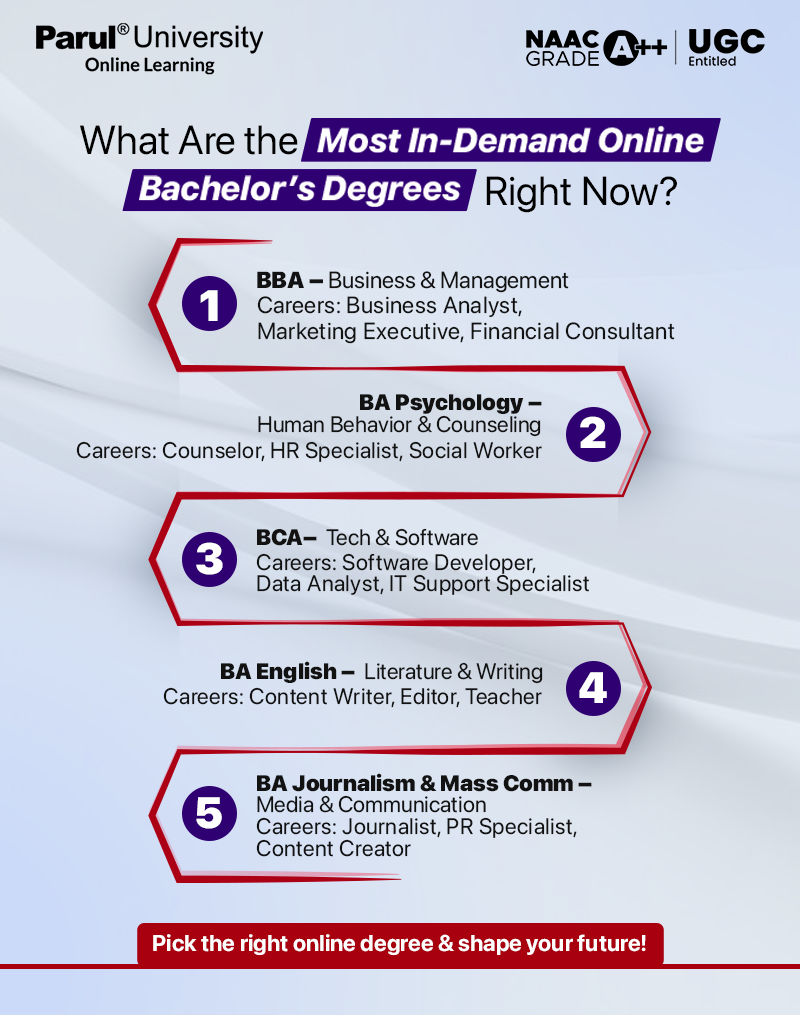
1. Computer Science and Information Technology
According to the U.S. BLS, computing and IT-related occupations continue to show above-average growth projections through the mid-2020s, driven by digital transformation across sectors.
Why this field works for career changers:
- Clear skill requirements
- Broad cross-industry demand
- Strong alignment with online delivery
These degrees are particularly effective when paired with prior professional experience or targeted certifications.
2. Business Administration and Management
Business and management degrees remain one of the most flexible transition options for adults.
Studies from Georgetown CEW highlight that business degrees often function as career accelerators, especially for professionals moving into supervisory or cross-functional roles.
Before committing, many adults ask whether the investment makes sense.
See Is an Online MBA Worth It? Cost, ROI & Career Outcomes.
3. Healthcare Administration and Health Management
The BLS projects continued growth in healthcare-related administrative roles, driven by aging populations and system complexity rather than clinical expansion alone.
Why this field works:
- Does not require clinical licensure
- Stable long-term demand
- Clear administrative career paths
Healthcare administration is especially attractive to career changers from business, operations, or public-sector backgrounds.
4. Data Analytics and Information Systems
OECD skills research consistently emphasizes data literacy and analytical reasoning as core transferable skills across modern economies.
Degrees in data analytics and information systems:
- Support roles in multiple industries
- Complement existing domain knowledge
- Align well with employer upskilling needs
Many adult learners combine these degrees with short-term certifications for faster entry.
5. Education and Instructional Design
As noted by UNESCO and World Bank education reports, demand for digital learning design and adult education expertise continues to grow alongside online and hybrid education models.
These degrees support transitions into:
- Corporate training
- Instructional design
- Educational program management
For broader context, see
Online Learning for Adults: Degrees, Certifications & Career ROI.
How Long Does It Take for an Online Degree to Pay Off?
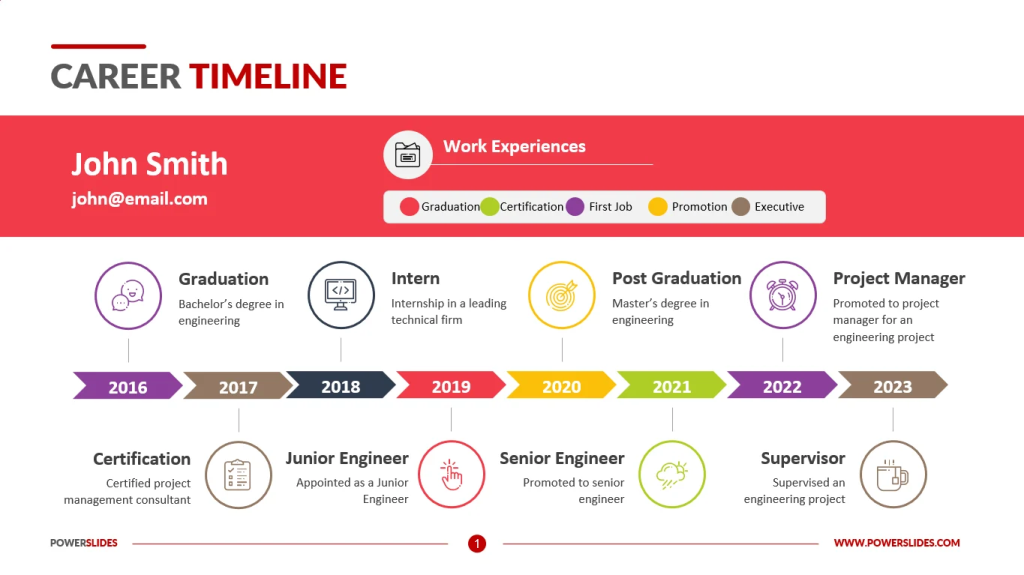
Based on adult learner outcome studies cited by Georgetown CEW and workforce research organizations:
- 1–2 years: uncommon, but possible with strong experience overlap
- 2–4 years: most common break-even window
- 5+ years: leadership-level ROI and salary compounding
Degrees generally deliver slower but more durable ROI compared to short-term credentials.
For a cost-focused breakdown, see
How Much Does an Online MBA Cost in the U.S.?
Common Mistakes Career Changers Make (Research-Backed)
Adult education research highlights several recurring errors:
- Choosing prestige over employability
- Underestimating time and cognitive load
- Ignoring employer expectations in the target field
- Treating degrees as guarantees rather than enablers
Successful career changers integrate degrees into a broader career strategy.
Degree vs Certification for Career Changers
Workforce studies from OECD and World Bank suggest that hybrid learning paths often outperform single-track approaches.
A common strategy:
- Certification first to validate skills and test the field
- Degree later to unlock advancement ceilings
For a detailed comparison, revisit
Online Degree vs Professional Certification: Which Pays Off Faster?
Final Verdict: Best Online Degrees for Career Changers in 2026
The best online degrees for career changers share three traits supported by labor and education research:
- Strong employer recognition
- Transferable, future-resilient skills
- Realistic ROI timelines for adults
Career change is not about restarting—it is about repositioning existing experience with credible credentials.
Choose degrees that shorten that transition, not extend it.
