
A Practical ROI Comparison for Adult Learners and Working Professionals
For adults considering online learning, the real question is rarely “What should I study?”
It is much more specific:
Should I invest in an online degree—or will a professional certification pay off faster?
Both options promise career advancement. Both require time and money.
But their return on investment (ROI), speed, and risk profile are very different.
This guide compares online degrees vs professional certifications from a practical, outcome-driven perspective—so you can choose the path that aligns with your career stage, budget, and timeline.
What Is an Online Degree?

An online degree is a formal academic qualification delivered through accredited institutions. Common options include:
- Associate’s degrees
- Bachelor’s degrees
- Master’s degrees (including MBAs)
Online degrees are designed to provide:
- Broad theoretical foundations
- Long-term credential value
- Eligibility for roles that explicitly require a degree
Typical Profile of Online Degree Students
- Adults returning to school after several years of work
- Professionals aiming for leadership or management roles
- Career switchers entering regulated or degree-required fields
Time commitment: 2–4 years (sometimes longer)
Cost range: $20,000 – $80,000+ (U.S.)
What Is a Professional Certification?
A professional certification validates specific job-related skills. Certifications are usually:
- Industry-recognized
- Shorter in duration
- Narrowly focused on applied skills
Examples include:
- Project management certifications
- IT and cloud certifications
- Accounting, finance, or data credentials
Typical Profile of Certification Learners
- Working professionals upgrading skills
- Career switchers testing a new field
- Adults seeking fast, targeted ROI
Time commitment: 3–12 months
Cost range: $500 – $10,000 (sometimes employer-funded)
Online Degree vs Professional Certification: Key Differences
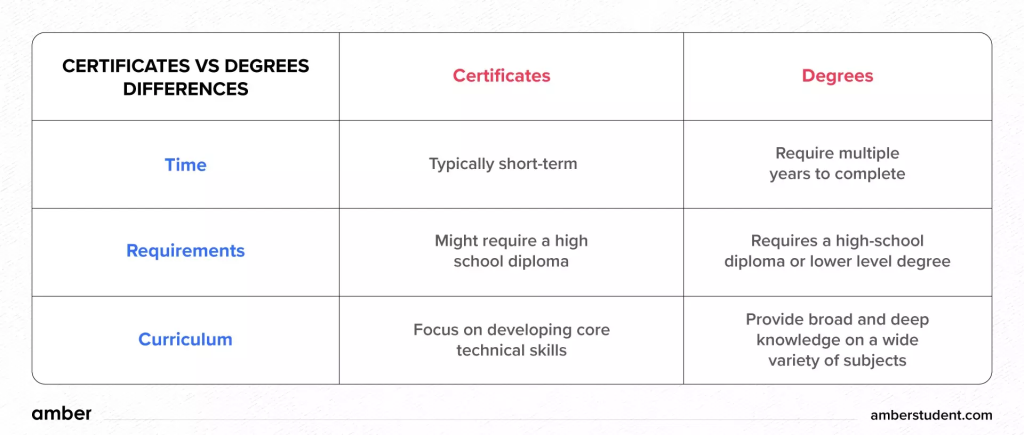
1. Time to Completion
- Online degree: Long-term commitment
- Certification: Short, focused timeline
If speed matters, certifications usually win.
2. Cost and Financial Risk
- Degrees require larger upfront investment
- Certifications limit financial exposure
From a risk perspective, certifications are often easier to justify—especially without employer sponsorship.
3. Career Flexibility
- Degrees offer broader career mobility
- Certifications offer faster role-specific impact
Degrees tend to unlock promotion ceilings, while certifications unlock task-level opportunities.
Which Pays Off Faster? (ROI Perspective)
Professional Certification ROI
Certifications often pay off faster when:
- Your role values specific skills over credentials
- You can immediately apply the skill at work
- The certification leads to a new role or pay band
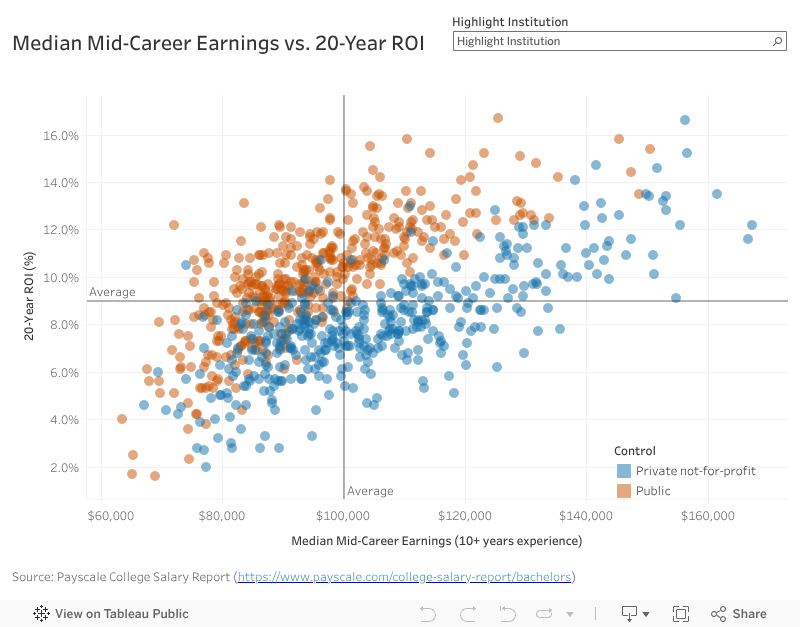
ROI can appear within months, not years.
Online Degree ROI
Degrees usually pay off slower but more sustainably when:
- Leadership or management roles require formal credentials
- Salary progression depends on academic qualifications
- You plan to stay in a field long-term
ROI often materializes over 2–5 years.
Degree vs Certification by Career Stage
Early to Mid-Career Professionals
Certifications often deliver better short-term ROI:
- Lower cost
- Faster signaling to employers
- Less disruption to income
Mid to Senior Professionals
Degrees become more valuable when:
- You hit a promotion ceiling
- Leadership roles require formal education
- Strategic or managerial skills matter more than technical ones
When a Hybrid Path Makes the Most Sense
For many adults, the best option is not “degree or certification,” but degree and certification—at different times.
A common high-ROI path looks like this:
- Certification to validate skills and test the field
- Online degree later to scale into leadership roles
This approach reduces risk while keeping long-term options open.
If you are weighing multiple paths, see our main guide:
Online Learning for Adults: Degrees, Certifications and Career ROI
How to Choose the Right Option (Decision Checklist)
Before enrolling, ask yourself:
- Does my target role require a degree on paper?
- Can a certification improve my income within 12 months?
- What is my budget tolerance for risk?
- Am I optimizing for speed or long-term growth?
Clear answers usually make the choice obvious.
Final Verdict: Degree or Certification?
There is no universal winner.
- Professional certifications usually pay off faster and carry lower risk
- Online degrees pay off slower but unlock broader, longer-term growth
The right choice depends on where you are now, not where you hope to be someday.
Treat learning as a strategic investment, not a prestige purchase.
