
Tools That Actually Improve Outcomes for Students and Adult Learners
Educational apps in 2025 are no longer simple classroom add-ons. For many people, they have become core learning infrastructure—used by students preparing for exams, adults upgrading job-related skills, and parents supporting structured learning at home.
However, most “best app” lists still focus on popularity or flashy features rather than the only question that really matters:
Which educational apps reliably turn study time into measurable skill improvement?
This guide reviews 50 of the best educational apps in 2025, not as a random directory, but as a decision-oriented toolkit. The goal is to help learners and decision-makers build a high-ROI learning stack aligned with outcomes, budget, and real-world study constraints.
How We Evaluated Educational Apps (Outcomes, Evidence, ROI)
An effective educational app is not defined by a polished interface. It is defined by skill transfer per minute spent.
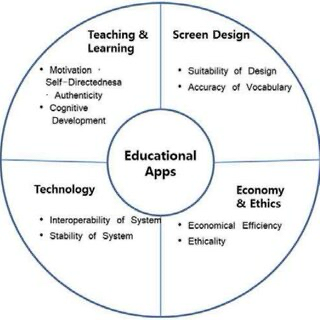
Apps in this review were evaluated using five practical criteria:
- Learning science alignment Retrieval practice, spaced repetition, and immediate feedback.
- Content validity Curriculum alignment, expert authorship, and low error rates.
- Adaptivity Diagnostics, personalized learning paths, and progress tracking.
- Workflow fit Cross-device access, offline support, and accessibility features.
- Total cost of ownership Subscription tiers, family plans, and long-term value.
Research consistently shows that purposeful, goal-driven technology use improves learning outcomes, while unfocused screen time does not. The best apps support disciplined practice rather than distraction.
The 50 Best Educational Apps (Grouped by Learning Goal)
Below are 50 standout educational apps, grouped by use case. Treat them as modular tools, not a bundle to use all at once.
Core Academics (Math, Science, General)
Khan Academy, IXL, Brilliant, Photomath, Wolfram Alpha, Desmos, GeoGebra, CK-12, Quizizz, Kahoot
Language Learning and Literacy
Duolingo, Babbel, Busuu, Memrise, HelloTalk, BBC Learning English, ELSA Speak, ReadTheory, Epic, Libby
Writing, Research, and Study Skills
Grammarly, Hemingway Editor, Google Scholar, Zotero, Mendeley, Perplexity, Turnitin Draft Coach, Microsoft Word, Google Docs, Notion
Note-Taking, Organization, Focus
OneNote, Evernote, Obsidian, GoodNotes, Todoist, Microsoft To Do, Forest, Freedom, Google Classroom, Canvas Student
Coding, Creativity, and Career Skills
Scratch, Codecademy, freeCodeCamp, Khan Academy Computing, Tynker, Coursera, edX, LinkedIn Learning, Canva, Quizlet
Each app listed has a clear primary role. Most learners lose efficiency by stacking overlapping tools instead of assigning each app a specific job.
Educational Apps for Adult Learners and Career-Focused Study

While many apps are marketed to K–12 classrooms, a growing share of users in 2025 are adult learners, including:
- Working professionals upgrading skills
- Career switchers preparing for certifications
- Parents managing structured learning at home
For adults, effectiveness depends less on gamification and more on efficiency, accountability, and ROI.
High-value stacks for adult learners often include:
- One core learning platform (Khan Academy, Coursera, edX)
- One retrieval or testing tool (Quizlet)
- One workflow or focus tool (Notion, Todoist, Freedom)
If you are choosing between tools, degrees, and certifications, see our main guide:
Online Learning for Adults: Degrees, Certifications and Career ROI.
Evidence-Based Learning Principles These Apps Should Support
Across decades of learning science research, several principles consistently predict better outcomes:
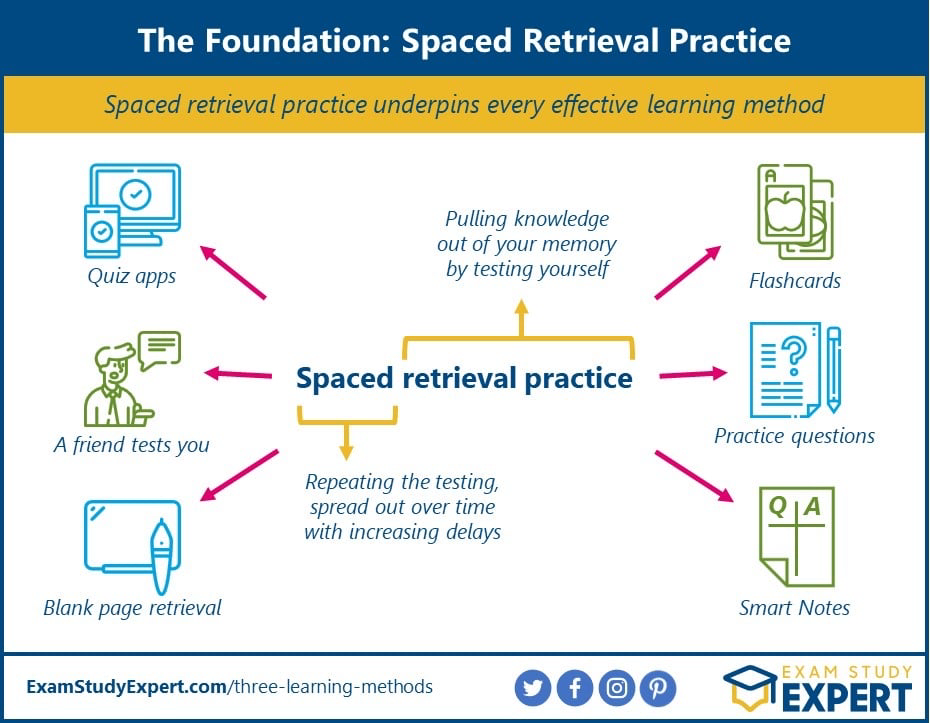
- Retrieval practice outperforms rereading for long-term retention
- Spaced repetition improves memory consolidation
- Immediate feedback helps correct misconceptions quickly
- Cognitive load control matters more than visual polish
Apps such as Quizlet, IXL, and Khan Academy work best when they force recall and mastery, not passive review.
Time-on-task with intention matters more than chasing the newest app.
How to Build a High-ROI Learning Stack (Practical Examples)
Goal: Improve math performance within one semester
Stack: Khan Academy + IXL + Desmos
Focus: Diagnose gaps, overlearn weak skills, visualize concepts.
Goal: Learn a language for exams and real communication
Stack: Babbel or Busuu + ELSA Speak + HelloTalk
Focus: Structured input, pronunciation feedback, and output practice.
Goal: Write better essays and avoid plagiarism
Stack: Google Scholar + Zotero + Google Docs + Grammarly
Focus: Source quality, citation discipline, and clarity.
Goal: Study efficiently with limited time
Stack: Quizlet + Notion or OneNote + Freedom
Focus: Retrieval, structured summaries, and distraction control.
Limit stacks to three tools per term. More tools usually reduce consistency.
Buying Guide: Matching Apps to Budget and Curriculum
Before subscribing, apply this checklist:
- Does the app clearly measure progress?
- Does it reduce or increase cognitive load?
- Is there visible improvement after four weeks?
- Does it replace, rather than duplicate, another tool?
For families and adult learners alike, fewer tools used consistently outperform large collections.
Conclusion
The best educational apps in 2025 are not the most popular or visually impressive. They are the ones that convert time into measurable mastery through diagnostics, retrieval, feedback, and focus.
Treat educational apps as learning infrastructure, not entertainment. Build a lean stack, test it over two weeks, keep what delivers progress, and discard the rest.
